
Understanding IPTV Live: What It Is and How It Works
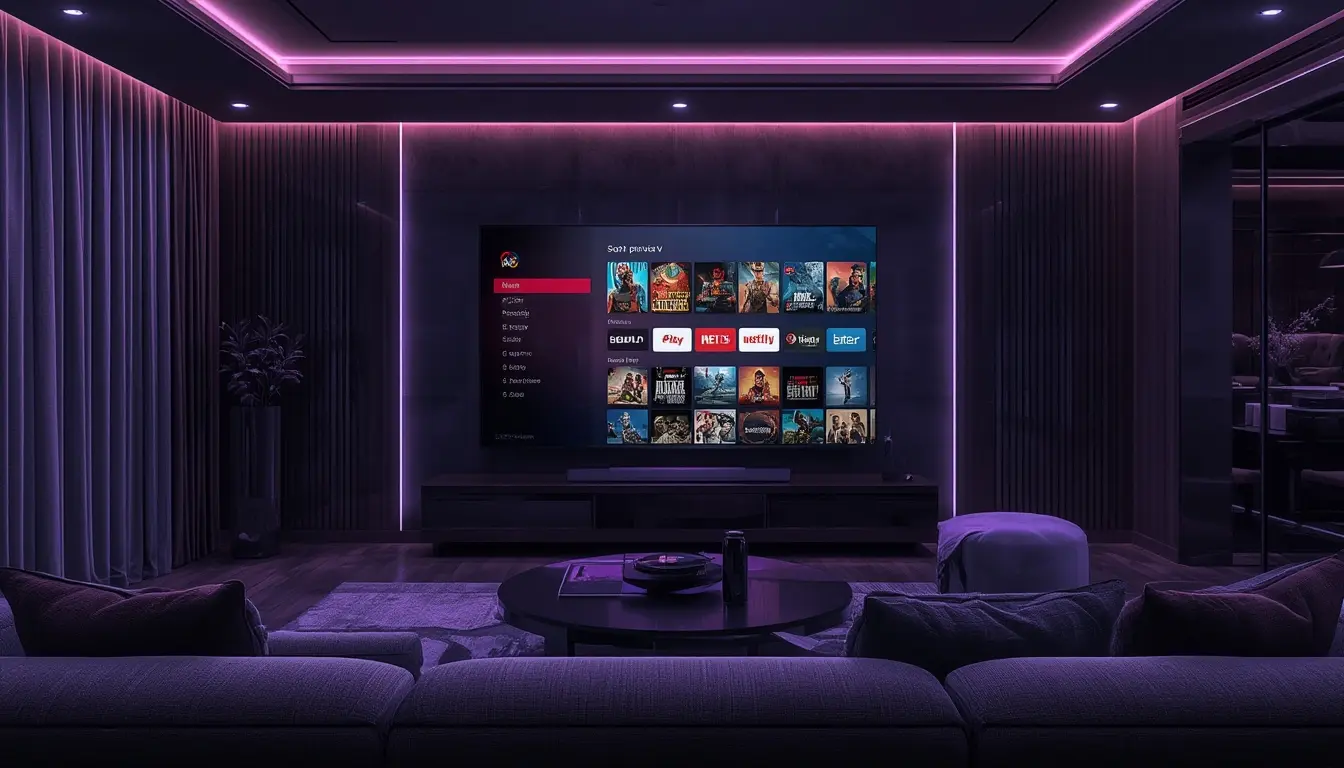
The landscape of television entertainment has undergone a dramatic transformation, shifting from traditional broadcast models to more dynamic, on-demand, and internet-streamed experiences. At the forefront of this evolution is IPTV, or Internet Protocol Television. When we talk about iptv live, we’re referring to the delivery of live television content over the internet using the Internet Protocol. Unlike traditional cable or satellite broadcasting, which uses dedicated frequencies, IPTV leverages your existing internet connection to stream channels directly to your devices. This technology has opened up a world of possibilities for viewers, offering greater flexibility, a wider selection of content, and enhanced viewing experiences, all made possible through reliable services like Sox Provider.
The Core Concept of IPTV
At its heart, IPTV is about delivering television channels and video content via IP networks. This means that instead of receiving signals through an antenna or a satellite dish, your TV or streaming device connects to the internet and “pulls” the content. This fundamentally changes how content is delivered and consumed.
How IPTV Works: A Technical Overview
To understand how iptv live functions, it’s helpful to break down the process:
1. Content Source: Content providers, whether official broadcasters or specialized IPTV services, capture live TV signals. This content is then encoded into digital streams.
2. Encoding and Multiplexing: The raw video and audio are compressed (encoded) to make them suitable for internet transmission. Multiple channels are then bundled together (multiplexed) into a single data stream.
3. Delivery Network: These data streams are transmitted over the internet using specific protocols. This is where the “IP” in IPTV comes into play. Unlike traditional streaming services that might use proprietary methods, IPTV often relies on standard IP protocols.
4. Server Infrastructure: IPTV providers maintain robust server networks. These servers manage the distribution of content to subscribers, ensuring smooth playback and managing user authentication. For a premium experience, services like Sox Provider invest heavily in stable servers and advanced technologies to prevent buffering.
5. User Device: Your smart TV, streaming box (like an Android TV box or Amazon Firestick), computer, or mobile device receives the IP data stream.
6. Decoding and Playback: Your device’s IPTV player application (e.g., IPTV Smarters, TiviMate, or a custom app) decodes the stream and displays it as live television. This player also often handles the Electronic Program Guide (EPG), allowing you to see what’s airing and schedule recordings.
This sophisticated system relies heavily on network infrastructure and the efficiency of the IPTV service provider. A strong, stable internet connection on the user’s end is crucial, but the quality of the provider’s servers and their technological solutions for maintaining uninterrupted streaming are equally, if not more, important.
Key Components of an IPTV System
Understanding the main elements involved in an IPTV service can further clarify its operation:
- Set-Top Box (STB) or Device: While not always a physical “box” anymore, you need a device capable of running an IPTV application. This can range from Smart TVs, streaming sticks (like Firestick or Chromecast), Android boxes, gaming consoles, PCs, tablets, and smartphones.
- IPTV Application/Player: This software acts as the gateway to your IPTV service. It decodes the streams, displays channel lists, provides the EPG, and allows access to Video on Demand (VOD) content. Popular examples include IPTV Smarters Pro, TiviMate, and Kodi with IPTV add-ons, or proprietary apps from providers.
- IP Protocol: The foundation of delivery. Services use various protocols to transmit channels, with UDP (User Datagram Protocol) and HTTP (Hypertext Transfer Protocol) being common. The choice can impact performance and how your network handles the streams.
- Content Delivery Network (CDN): For large-scale IPTV services, a CDN is essential. It involves a network of geographically distributed servers that work together to deliver content quickly and efficiently, reducing latency and improving streaming quality.
- Electronic Program Guide (EPG): This feature, similar to traditional TV guides, provides detailed information about upcoming programs, including channel names, show titles, descriptions, and broadcast times. A comprehensive EPG significantly enhances the user experience for iptv live channels.
- Video on Demand (VOD): Beyond live channels, most modern IPTV services offer a library of movies, TV series, and other on-demand content that subscribers can access anytime. This is a significant draw for many users looking for comprehensive entertainment packages.

Advantages of IPTV Live Streaming
The shift towards IPTV is driven by its numerous benefits over traditional television:
- Flexibility and Device Compatibility: IPTV is not tied to a physical television set. You can watch your subscribed channels on virtually any internet-connected device. This multi-device support is a cornerstone of modern IPTV offerings, allowing seamless viewing across your home or on the go. Sox Provider excels here, ensuring its premium service is compatible with a vast array of devices.
- Wider Channel Selection: IPTV providers often boast extensive channel lists, far exceeding what traditional providers can offer. This includes international channels, niche sports, movie channels, and more, catering to diverse interests. Services like Sox Provider often provide access to over 21,000 live channels, plus a massive VOD library.
- Enhanced Content Quality: With advancements in internet speeds and encoding technologies, IPTV can deliver stunning HD, Full HD, and even 4K quality. Providers focused on premium experiences, such as Sox Provider, utilize technologies to ensure smooth playback without buffering or freezing, even at these high resolutions.
- On-Demand Content (VOD): Most IPTV services bundle a large library of movies and TV series, functioning like a comprehensive streaming service alongside live TV. This eliminates the need for multiple subscriptions.
- Interactivity and Features: IPTV systems can integrate advanced features like time-shifting (pause/rewind live TV), catch-up TV (watch programs aired in the last few days), and interactive services.
- Cost-Effectiveness: While the perception might differ, when considering the sheer volume of content, device flexibility, and bundled VOD services, IPTV can offer excellent value, especially with long-term or lifetime plans from reputable providers.
- Ease of Setup and Activation: Reputable IPTV providers like Sox Provider focus on rapid activation. Once you’ve chosen a plan and subscribed, you typically receive your login credentials quickly via email or WhatsApp, allowing you to start streaming almost immediately. The setup process usually involves simply entering these credentials into your chosen IPTV player app on your device. More on exploring platforms for iptv streaming can be found with additional information on iptv streaming.

Potential Challenges and Considerations
Despite its advantages, IPTV is not without its potential drawbacks, which users should be aware of:
- Internet Dependency: The entire system relies on a stable and fast internet connection. If your internet is slow, unstable, or experiences downtime, your IPTV service will suffer. For a seamless iptv live experience, a minimum broadband speed is recommended, often around 10-15 Mbps for HD and higher for 4K.
- Buffering and Freezing: This is the most common frustration for IPTV users and is usually a sign of either an insufficient internet connection, overloaded provider servers, or poor network management. Premium providers like Sox Provider actively combat this with anti-freeze technology and robust server infrastructure, guaranteeing 99.9% uptime.
- Legality and Piracy Concerns: The IPTV landscape is complex. While legitimate IPTV services distributing copyrighted content legally exist, the market is also saturated with illegal streams that operate without proper licensing. It is crucial to choose providers that are transparent about their content sources and licensing. Sox Provider positions itself as a premium, legitimate provider focused on offering a legal and high-quality streaming experience.
- Service Reliability: User experiences can vary wildly depending on the provider. Some services may be prone to frequent downtimes, channel outages, or slow customer support. This underlines the importance of selecting a provider known for its stability and reliability.
- Device Compatibility and App Support: While many devices are supported, specific IPTV players might not be available or function optimally on all platforms. Always check device compatibility before subscribing.
Choosing a Reliable IPTV Provider
Selecting the right IPTV provider is paramount for enjoying a high-quality iptv live experience. Here are key factors to consider:
- Stability and Uptime: Look for providers that guarantee high uptime (e.g., 99.9%) and explicitly mention anti-buffering or anti-freeze technology. Sox Provider’s commitment to stable performance and smooth playback is a major selling point.
- Channel Selection and Content Quality: Ensure the provider offers the channels you want, in the desired quality (HD, Full HD, 4K). A broad range of live channels and an extensive VOD library are also important for a comprehensive entertainment package.
- Device Compatibility: Verify that the service works on all the devices you intend to use. Sox Provider supports a wide range of devices, including Smart TVs, Android devices, Firestick, PCs, Mac, and more.
- Customer Support: Responsive and accessible customer support (ideally 24/7) is vital for resolving any technical issues or queries quickly. Sox Provider offers 24/7 customer support to assist users.
- Subscription Plans and Pricing: Providers offer various plans based on the number of simultaneous connections (devices) and subscription duration (monthly, yearly, or lifetime). Sox Provider offers flexible plans to suit different needs.
- Activation Speed: Fast and instant activation means you can start streaming without delay. Sox Provider is known for its quick activation process.
- Reviews and Reputation: Researching user reviews and testimonials can provide valuable insights into a provider’s reliability and service quality.
When looking for a premium service that emphasizes smooth streaming, stable performance, and broad device compatibility, Sox Provider stands out. Their focus on delivering a premium IPTV subscription with reliable streaming and multi-device flexibility makes them a top choice for users seeking uninterrupted entertainment. To learn more, you can learn more here.
Setting Up Your IPTV Service
Getting started with IPTV is generally straightforward, particularly with providers focused on user experience like Sox Provider:
1. Choose Your Provider and Plan: Select an IPTV provider that meets your needs in terms of channel selection, quality, device support, and price. Sox Provider offers various plans to cater to different requirements.
2. Subscribe and Receive Credentials: Once you subscribe, you’ll typically receive an email or message containing your login details (username, password, and often a URL or portal address).
3. Select and Install an IPTV Player App: Download a compatible IPTV player app onto your chosen device. Popular choices include IPTV Smarters, TiviMate, GSE Smart IPTV, or KODI with appropriate add-ons. For specific platforms like Android TV or Firestick, these apps are readily available in their respective app stores. You can find more information on platforms suitable for iptv streaming.
4. Configure the App: Open the IPTV player app and navigate to the section where you add a new playlist or account. Enter the credentials provided by your IPTV service. If your provider uses a portal URL, ensure it’s entered correctly.
5. Load Channels and VOD: The app will then load your channel list, EPG, and VOD library. This might take a few moments depending on your internet speed and the provider’s server responsiveness.
6. Start Streaming: You’re now ready to enjoy your iptv live channels and on-demand content!
For those interested in advanced features like multi-screen support, exploring options can enhance your viewing experience. Learn more about iptv live.

The Future of IPTV
IPTV is not just a current trend; it represents the future of television delivery. As internet infrastructure continues to grow and improve globally, IPTV services will become even more robust, offering higher resolutions, more interactive features, and seamless integration with other digital services. Providers committed to innovation and customer satisfaction, like Sox Provider, will continue to lead the way in delivering premium, reliable, and flexible entertainment solutions. The evolution of IPTV means more choices, better quality, and a viewing experience tailored to the modern, connected consumer. For those seeking a comprehensive entertainment solution that blends live TV with a vast library of on-demand content, IPTV is undoubtedly the way forward, and understanding its workings is key to making informed choices. If you’re looking for more details on this evolving technology, you might find an additional resource helpful.
Frequently Asked Questions About IPTV Live
What is the primary difference between IPTV and traditional TV?
The main difference lies in the delivery method. Traditional TV is broadcast via antennas (terrestrial), cable, or satellite. IPTV, on the other hand, delivers content over the internet using IP protocols. This allows for more flexibility, on-demand content, and greater device compatibility.
Do I need a special TV for IPTV?
No, you do not necessarily need a special TV. While Smart TVs with built-in IPTV apps are convenient, you can use any internet-connected device, including streaming sticks (like Amazon Firestick or Roku), Android boxes, computers, tablets, and smartphones, by installing a compatible IPTV player app.
Is IPTV legal?
The legality of IPTV depends entirely on the provider and the content they distribute. Legitimate IPTV services have proper licensing for the content they offer. However, many illegal IPTV services operate without licenses, which is illegal. It is crucial to choose a reputable provider like Sox Provider that operates transparently and legally.
What internet speed do I need for IPTV?
For a smooth iptv live experience, a stable internet connection is essential. Generally, a minimum of 10-15 Mbps is recommended for HD channels, while 25-50 Mbps or higher is advisable for reliable 4K streaming.
Can I watch IPTV on multiple devices simultaneously?
Yes, most reputable IPTV providers, including Sox Provider, offer subscription plans that allow for multiple simultaneous connections. You can choose a plan based on the number of devices you wish to connect at the same time.