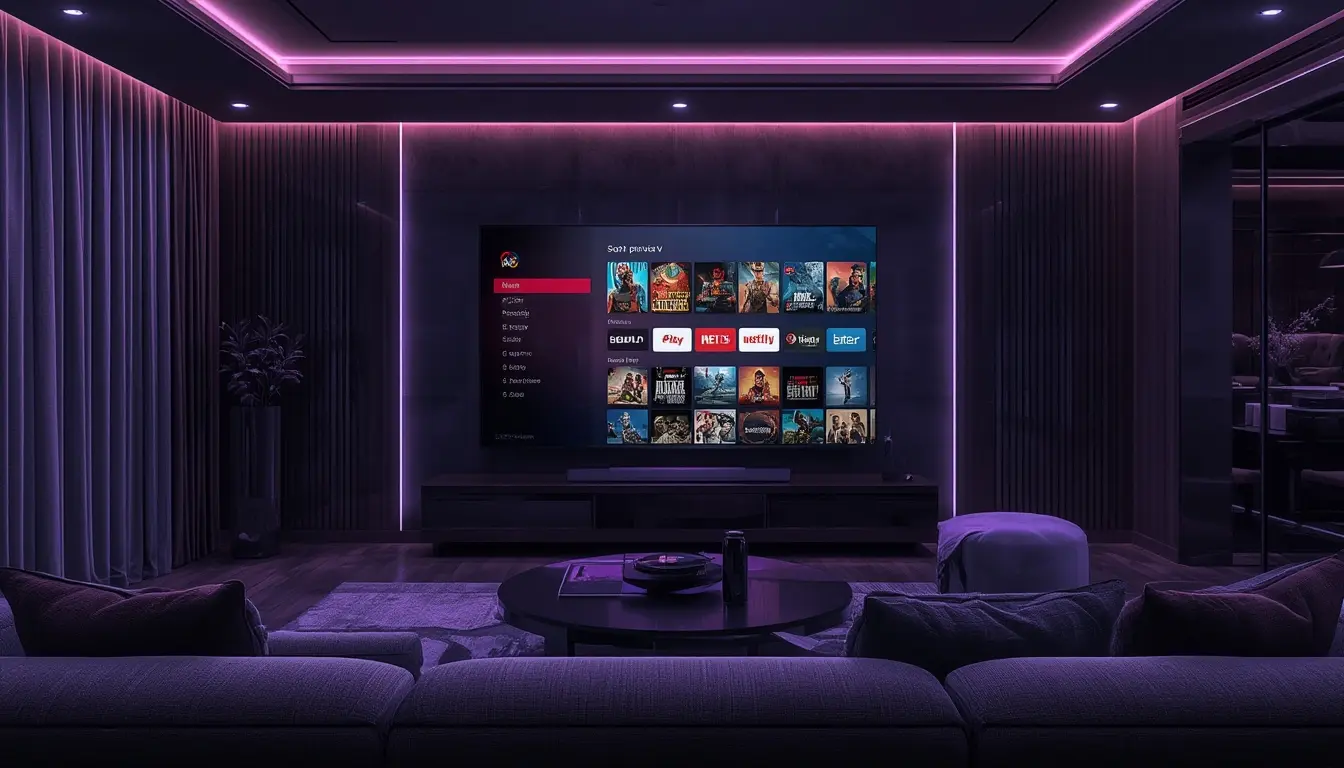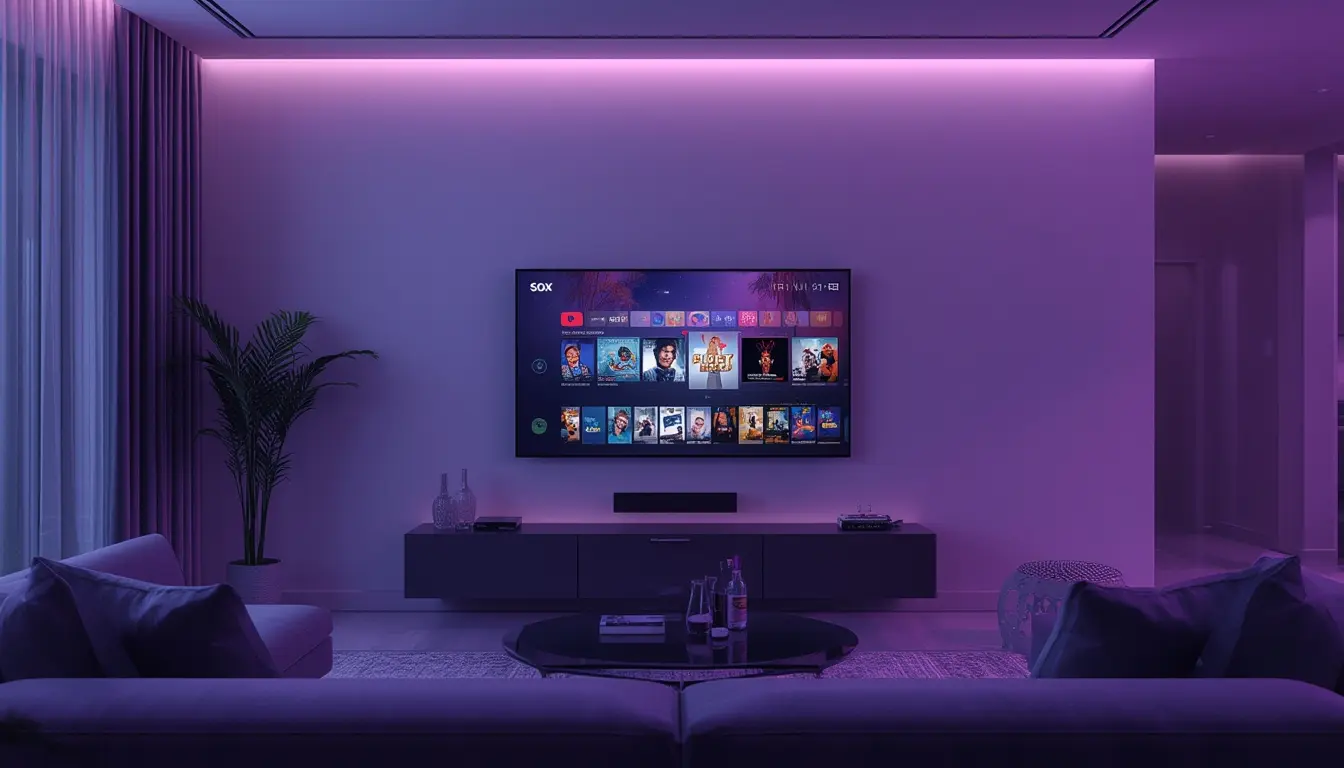

The year 2027 is set to redefine home entertainment, and at the forefront of this evolution is the way we access and enjoy our favorite content. Gone are the days of clunky interfaces and endless buffering; the future demands fluidity, responsiveness, and an unparalleled viewing experience. This is precisely where the sophistication of modern IPTV services shines, particularly for those seeking the best iptv for home entertainment systems with seamless channel switching. Imagine immersing yourself in a vast library of live TV, on-demand content, and premium channels, all accessible with effortless navigation. Whether you’re a sports fanatic needing to jump between games, a movie buff sampling different channels, or a family coordinating evening viewing, the ability to switch channels instantly without disruption is paramount. This article explores what makes an IPTV service truly excel in delivering this crucial feature, guiding you toward a home entertainment setup that is both powerful and incredibly user-friendly.
Elevating Your Home Entertainment with Superior IPTV Technology
A true home entertainment revolution in 2027 is characterized not just by the breadth of content available but by the elegance and efficiency with which it can be accessed. For years, traditional cable and satellite have been the standard, but they often come with inherent limitations – bundled packages, expensive equipment, and, most importantly, a sometimes frustrating delay when changing channels. Internet Protocol Television (IPTV) has emerged as the disruptive force, leveraging advanced network infrastructure to deliver a superior viewing experience.
For anyone looking to build a robust home entertainment system, the criteria for selecting an IPTV provider extend beyond just channel count or price. The underlying technology, server infrastructure, and user interface design all play a critical role. When we talk about iptv for home entertainment systems with seamless channel switching, we’re highlighting a service that prioritizes user experience, minimizing latency and buffering to ensure that moving from one channel to another is as instantaneous as flipping through a physical channel guide. This level of responsiveness transforms the viewing experience from a passive activity into an interactive journey through a world of entertainment, making it ideal for dynamic viewing habits.
The Pillars of Seamless Channel Switching
What exactly contributes to this coveted seamless channel switching? It’s a combination of several critical technical and user-centric factors:
- Optimized Server Infrastructure: The backbone of any high-performing IPTV service is its server network. For seamless switching, these servers must be robust, geographically distributed, and equipped with high-bandwidth connections. This allows them to process and deliver channel streams to users with minimal delay, regardless of their location. Providers that invest in state-of-the-art server technology will naturally offer a more fluid experience.
- Efficient Codecs and Streaming Protocols: IPTV services utilize various video codecs (like H.265 HEVC) and streaming protocols (such as HLS or MPEG-DASH) to deliver content efficiently. Advanced codecs compress video more effectively without sacrificing quality, meaning less data needs to be transmitted, which in turn reduces buffering and load times. Protocols optimized for live streaming are also crucial for rapid channel changes.
- User Interface (UI) and User Experience (UX) Design: Even with the best underlying technology, a poorly designed interface can hinder channel switching. An intuitive EPG (Electronic Program Guide), responsive remote control integration, and quick access buttons for favorite channels are essential. The goal is to reduce the number of clicks and navigation steps required to change channels.
- User’s Internet Connection and Network Performance: While the IPTV provider plays a significant role, the end-user’s internet connection is equally vital. A stable, high-speed internet connection with low latency is the foundation for any smooth streaming experience. For those aiming for true seamlessness, a wired Ethernet connection is often preferable to Wi-Fi, as it typically offers greater stability and speed.

Key Features to Look for in an IPTV Service for Home Entertainment
When evaluating IPTV services for your home entertainment setup, especially those that promise seamless channel switching, certain features should be at the top of your checklist. These aren’t just about content variety; they are about the quality of the viewing experience and the overall integration into your living room.
Content Variety and Quality
While seamless switching is the star, the supporting cast of content must also be impressive. Look for services that offer:
- Extensive Channel Selection: Access to a broad range of live TV channels is fundamental. This includes popular entertainment, news, sports, kids’ channels, and niche interests.
- High-Definition and Ultra-High Definition (UHD) Streaming: For a truly immersive home theater experience, the ability to stream in 4K (UHD) is becoming essential. An IPTV service that supports iptv with ultra hd channels for home theater will significantly enhance visual fidelity.
- On-Demand Library: Beyond live TV, a good selection of movies and TV series available on-demand adds immense value and flexibility to your entertainment.
User Experience and Device Compatibility
The ease of use and reach of an IPTV service are critical for a home entertainment system.
- Intuitive EPG and Navigation: An easy-to-read and responsive Electronic Program Guide (EPG) is paramount. It should clearly display program information, upcoming schedules, and allow for quick selection.
- Multi-Device Support: Your IPTV service should be accessible on all your home entertainment devices. This includes smart TVs, streaming boxes (like Amazon Fire TV Stick, Apple TV, Nvidia Shield), gaming consoles, smartphones, and tablets. Support for major operating systems like Android TV, iOS, and tvOS is a big plus.
- Customization Options: Features like creating favorite channel lists, setting parental controls, and personalized recommendations enhance the experience. For many, exploring advanced functionalities such as iptv for home entertainment systems with seamless channel switching which often includes multi-screen viewing capabilities, can be a game-changer.
Performance and Reliability
This is where the “seamless” aspect truly comes into play.
- Low Latency Streaming: As discussed, minimizing lag between channel changes is key. Providers often boast about their low latency.
- High Uptime and Stability: You need a service that is consistently available. Frequent outages or drops in stream quality can be incredibly frustrating.
- Buffering Reduction: Advanced adaptive bitrate streaming technology ensures that the service tries to maintain a stable stream even with fluctuating internet speeds.

Choosing the Right IPTV Provider in 2027: What to Prioritize
As we move closer to 2027, the IPTV landscape continues to mature, offering better performance and more sophisticated features. When selecting an IPTV provider, beyond the core requirements, consider these crucial differentiators:
Technical Infrastructure and Support
The quality of the provider’s backend infrastructure directly impacts your viewing experience.
- CDN (Content Delivery Network) Integration: A provider that utilizes a robust CDN ensures that content is delivered from servers geographically closer to you, drastically reducing latency and improving stream stability.
- Server Load Management: High-performing providers actively manage server loads to prevent slowdowns during peak viewing times. This is critical for maintaining seamless channel switching.
- Customer Support: When issues do arise, responsive and knowledgeable customer support is invaluable. For those setting up new systems, access to detailed setup guides, such as those found for IPTV setup, can facilitate a smoother onboarding process.
Subscription Models and Value
It’s essential to evaluate the subscription plans in terms of value, not just cost.
- Flexible Plans: Look for providers offering monthly, quarterly, or annual subscriptions. Longer-term plans often come with discounts.
- Trial Periods: A reputable provider will offer a free trial period, allowing you to test their service thoroughly, especially the channel-switching speed, before committing.
- Bundled Services: Some providers might offer bundles that include VPN services or other digital entertainment tools, providing added value. When comparing different services, understanding how they stack up against traditional options, like how IPTV compares to cable TV, can be instructive.
Advanced Features and Future-Proofing
The best IPTV services are not just keeping up; they are leading the way.
- Catch-Up TV and DVR Functionality: The ability to watch missed programs is a significant convenience. Services offering extended catch-up periods, such as 14-day catch-up, provide greater flexibility.
- Multi-Screen Viewing: Some advanced services allow you to watch multiple channels simultaneously on a single screen, or use your subscription on multiple devices at once. Understanding IPTV multi-screen viewing features can help you choose a service that maximizes your viewing options.
- Regular Updates: A forward-thinking provider will regularly update its platform, apps, and channel lineups to incorporate new technologies and maintain optimal performance.
Considerations for Home Entertainment Systems
When building a dedicated home entertainment system, you’ll want an IPTV service that integrates seamlessly with your existing hardware. This might include smart TVs with built-in IPTV apps, dedicated streaming boxes, or even HTPCs (Home Theater PCs). The provider’s software or app should be stable, feature-rich, and easy to navigate using a remote control or even voice commands if your system supports it.
For instance, many users gravitated towards services that offered user-friendly applications compatible with Android TV or Amazon Fire TV. These platforms inherently support high-resolution streaming and often come with robust remote controls ideal for navigating complex channel lineups. Ensuring that your chosen IPTV provider supports these platforms effectively is crucial for achieving that desired seamless experience.

Setting Up Your IPTV for Optimal Performance
Achieving seamless channel switching and an excellent overall experience isn’t just about choosing the right provider; effective setup is key. While the specifics can vary, here are general steps and considerations that will help you get the most out of your IPTV service for home entertainment. Many guides, such as this comprehensive step-by-step IPTV streaming guide, can offer detailed instructions.
1. Choose Your Device
The first step is selecting the device through which you’ll access your IPTV service. Popular options include:
- Smart TVs: Many modern smart TVs have dedicated apps or allow for IPTV players to be installed directly.
- Streaming Sticks/Boxes: Devices like Amazon Fire Stick, Roku, Apple TV, and Nvidia Shield are excellent for IPTV and offer a user-friendly interface.
- Computers/Laptops: You can often stream directly through a web browser or dedicated desktop applications.
- Mobile Devices: Smartphones and tablets are convenient for on-the-go viewing or can be connected to a TV via HDMI adapters.
2. Obtain Your IPTV Credentials/Playlist
Once you’ve subscribed to an IPTV service, you’ll typically receive login details:
- Username and Password: For app-based access.
- M3U Playlist URL: A link that your IPTV player will use to load the channel list.
- Xtream Codes API: Used by many advanced IPTV players for more robust features.
3. Install an IPTV Player Application
Your chosen device will likely need an IPTV player app. Popular and well-regarded options include:
- Tivimate (Android TV/Fire TV): Highly customizable with excellent EPG integration and a focus on user experience.
- IPTV Smarters Pro (Multiple Platforms): A user-friendly app that supports M3U playlists and Xtream Codes.
- GSE Smart IPTV (iOS/Android): A versatile player that supports various playlist formats.
- VLC Media Player (Desktop/Mobile): A universal player that can handle M3U playlists.
Follow the installation instructions for your specific device and app store.
4. Configure the IPTV Player
This is where you input your subscription details into the player.
- For M3U Playlists: Navigate to the “Add Playlist” or similar option in your player, select M3U, enter the provided URL, and often give the playlist a name.
- For Xtream Codes API: Select the Xtream Codes login option, and enter your server address, username, and password provided by your IPTV service.
The player will then load your channels, EPG data, and on-demand content.
5. Optimize for Performance
- Wired Connection: If possible, connect your streaming device directly to your router via an Ethernet cable for the most stable and fastest connection.
- Clear Device Cache: Periodically clear the cache of your IPTV player app and your streaming device to ensure optimal performance.
- Update Everything: Keep your device’s operating system, your IPTV player app, and your IPTV service updated to the latest versions.
- Provider Settings: Explore the settings within your IPTV player or on your provider’s website for options related to stream quality, buffering, and caching.
By following these setup steps and ensuring the provider you choose emphasizes performance and user experience, you can effectively build an IPTV setup that delivers on the promise of the best iptv for home entertainment systems with seamless channel switching.
Frequently Asked Questions
### What is the fastest way to switch between IPTV channels?
The fastest way typically involves using an IPTV player with a well-designed interface that allows for quick navigation, such as one that supports custom favorite channel lists and has dedicated buttons for channel up/down or a quick EPG access. Ensuring your internet connection is stable and fast also minimizes delays.
### Can I get the same quality as cable TV with IPTV?
Yes, many premium IPTV services offer content in HD and even 4K resolution, which can surpass the quality of standard cable TV packages in terms of picture clarity and sharpness, especially when considering iptv with ultra hd channels for home theater. The key is selecting a provider with robust infrastructure and high-quality encoders.
### What are the legal implications of using IPTV services?
The legality of IPTV services varies greatly depending on the provider and the content they offer. Services that distribute copyrighted content without proper licensing are illegal. It’s crucial to choose providers that operate legally and respect copyright laws.
### Will my internet speed affect channel switching speed?
Absolutely. A slow or unstable internet connection is one of the primary causes of buffering and delayed channel switching. For the best experience with iptv for home entertainment systems with seamless channel switching, a minimum of 25-50 Mbps download speed is often recommended, with a stable connection being paramount.
### How do providers ensure seamless channel switching?
Providers achieve this through a combination of optimized server infrastructure, efficient streaming protocols, advanced content delivery networks (CDNs), and robust load balancing to minimize latency and ensure rapid delivery of channel streams to users.