The landscape of digital entertainment has been dramatically reshaped by the advent of Internet Protocol Television, or IPTV. For many, the term iptv tech conjures images of seamless streaming and access to a vast library of content, but understanding how it actually works and the benefits it offers in 2027 is key to appreciating its revolutionary impact. Unlike traditional cable or satellite broadcasting, IPTV delivers television content over internet protocol networks, offering a more flexible, on-demand, and personalized viewing experience. This fundamental shift in delivery methods has unlocked a world of possibilities for both content providers and viewers, paving the way for innovative services and unparalleled convenience. As we look towards the future, understanding the core principles and evolving capabilities of IPTV technology becomes increasingly crucial for anyone looking to stay ahead in the digital entertainment sphere.
How IPTV Technology Works
At its core, IPTV technology relies on the internet to transmit television signals. Instead of broadcasting signals through the airwaves or dedicated cable lines, IPTV streams video content through your existing internet connection. This process involves several key components and stages:
The Transmission Process
1. Content Acquisition and Encoding: Live television channels, movies, and series are acquired by the IPTV provider. This content is then encoded into digital packets suitable for transmission over IP networks. This encoding process is crucial for ensuring efficient delivery and compatibility with various devices.
2. Content Delivery Network (CDN): For large-scale distribution and to ensure smooth playback for users worldwide, IPTV providers often utilize Content Delivery Networks (CDNs). CDNs are geographically distributed servers that cache content closer to the end-user, reducing latency and buffering.
3. IP Network Delivery: The encoded video packets are sent across the internet to the subscriber’s device. This requires a stable and reasonably fast internet connection. The quality of your internet service directly impacts the quality of your IPTV viewing experience.
4. Decoding and Playback: On the subscriber’s end, a compatible device (like a Smart TV, streaming stick, computer, or smartphone) receives these packets. An IPTV application or player then decodes these packets and reconstructs the video and audio stream, displaying it on your screen.
Key Technologies Enabling IPTV
Several underlying technologies make IPTV possible and continue to drive its evolution:
- Packet Switching: Unlike circuit switching used in traditional telephony, IP networks use packet switching. Data is broken down into small packets, each with an address. These packets travel independently across the network and are reassembled at the destination. This is highly efficient for data transmission, including video.
- Streaming Protocols: Various streaming protocols, such as HTTP Live Streaming (HLS) and MPEG-DASH, are used to deliver video content efficiently over the internet. These protocols manage the continuous flow of data, adapt to varying network conditions, and enable features like live streaming and Video on Demand (VOD).
- Middleware and Applications: A crucial part of the iptv technology is the middleware and the end-user application. Middleware acts as the bridge between the IPTV service and the user’s device, managing content, user authentication, billing, and the user interface. The application is what the user interacts with to browse channels, select VOD content, and manage their subscription.
The continuous advancement in these technologies contributes to the increasingly high-quality and reliable IPTV experiences available today.

Benefits of IPTV in 2027
As IPTV technology matures, the benefits it offers to consumers are more compelling than ever. In 2027, viewers can expect a highly refined and feature-rich entertainment experience.
Unparalleled Content Access and Variety
- Vast Libraries: IPTV services like Sox Provider offer an extensive selection of live channels, including sports, news, entertainment, and niche programming from around the globe. This is complemented by massive Video on Demand (VOD) libraries, often boasting over 150,000 movies and TV series, ensuring there’s always something to watch.
- Global Reach: With IPTV, geographical boundaries for content are significantly reduced. Viewers can access channels and programs that might not be available through traditional local providers.
Superior Streaming Quality and Stability
- High-Definition and 4K Streaming: IPTV providers are increasingly offering content in HD, Full HD, and even 4K resolution, providing a cinematic viewing experience on compatible displays.
- Smooth Playback and Anti-Freeze Technology: Reputable providers like Sox Provider invest heavily in stable server infrastructure and employ anti-freeze technology to minimize buffering and ensure uninterrupted viewing, even during peak times. This commitment to reliability is a cornerstone of premium IPTV services.
Flexibility and Convenience
- On-Demand Viewing: The VOD aspect of IPTV means viewers can watch what they want, when they want, without being tied to broadcast schedules. This includes the ability to pause, rewind, and fast-forward content.
- Catch-Up TV: Many IPTV services offer a catch-up feature, allowing you to watch programs that have already aired within a certain timeframe, providing further flexibility.
- Multi-Device Compatibility: IPTV services are designed to be accessible across a wide range of devices. Whether you use a Smart TV, Android Box, Amazon Firestick, PC, tablet, or smartphone, you can typically access your subscription. This multi-device flexibility means you can enjoy your favorite content anywhere, on any screen. Sox Provider, for example, offers plans accommodating from 1 to 6 devices simultaneously, with lifetime options extending even further.
Cost-Effectiveness and Value
- Competitive Pricing: Compared to bundled traditional cable packages that may include many channels you never watch, IPTV subscriptions can offer significant cost savings. You often pay for the content you actually want.
- Flexible Plans: IPTV providers typically offer a range of subscription durations, from monthly plans to longer-term options like 1, 2, 3, 5 years, and even lifetime deals. This allows users to choose a commitment level that suits their budget and needs. The ability to pay once for lifetime access to services is a particularly attractive proposition for many users.
Advanced Features
- Electronic Program Guide (EPG): A comprehensive EPG is standard with most IPTV services, providing detailed schedules for live channels, making it easy to plan your viewing.
- Regular Updates: Providers often offer free updates to their applications and services, ensuring you always have the latest features and improvements.
- 24/7 Customer Support: For premium providers, round-the-clock customer support is available to assist with setup, troubleshooting, or any service-related queries, ensuring a hassle-free experience.
Device Compatibility and Setup
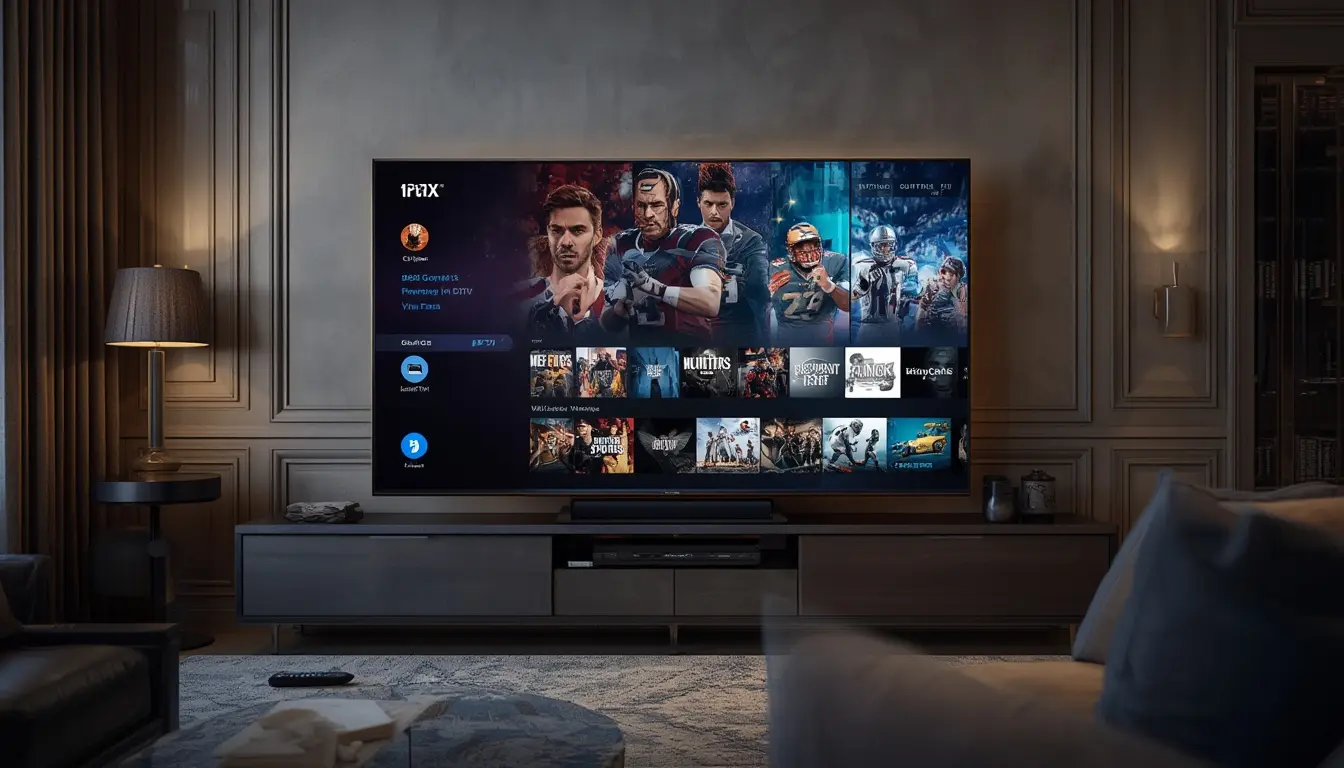
One of the most significant advantages of modern additional resource IPTV technology is its universal compatibility. This broad reach means you don’t necessarily need to buy new hardware to enjoy IPTV services.
Supported Devices
Most IPTV services are designed to work on a wide array of devices, including:
- Smart TVs: Most modern Smart TVs (Samsung, LG, Sony, etc.) have built-in app stores where you can download dedicated IPTV player apps or use web browsers.
- Streaming Devices: Devices like Amazon Firestick, Fire TV Cube, Google Chromecast with Google TV, Roku, and Apple TV are popular choices for IPTV viewing. They offer a user-friendly interface and easy app installation.
- Android Boxes/TVs: Devices running on the Android operating system are inherently compatible with IPTV. You can install IPTV player apps directly from the Google Play Store or via APK files.
- Computers: Whether you’re using Windows or macOS, you can stream IPTV content using compatible media players like VLC, Kodi, or dedicated IPTV player software.
- Mobile Devices: Both Android smartphones/tablets and iPhones/iPads can run IPTV applications, allowing you to watch on the go.
The Setup Process
Setting up IPTV is generally straightforward, especially with a reliable provider like Sox Provider. The typical process involves:
1. Choosing a Subscription Plan: Select a plan based on the duration and the number of devices you wish to use simultaneously. Providers like Sox Provider offer plans for 1 to 6 devices regularly, with lifetime plans extending up to 8 devices.
2. Receiving Login Credentials: After purchase, you’ll typically receive an email or message (often via WhatsApp) containing your IPTV username, password, and server address (URL or portal).
3. Installing an IPTV Player App: On your chosen device, download and install a compatible IPTV player. Popular choices include IPTV Smarters Pro, TiviMate, GSE Smart IPTV, VLC Media Player, or Kodi with an IPTV Simple Client add-on.
4. Configuring the App: Open the IPTV player app and enter the login credentials provided by your IPTV service. This usually involves selecting an option like “Login with Xtream Codes API” and inputting your username, password, and server URL. Some providers might offer M3U playlist links or Stalker portal URLs as alternatives.
5. Accessing Content: Once configured, the app will load your channel list, VOD library, and EPG. You can then navigate and start streaming your favorite content.
While the process is generally simple, some users might encounter issues. Having access to 24/7 customer support, as offered by premium providers, can be invaluable for quick resolution of any setup hiccups.
The Future of IPTV Technology
The evolution of learn more here IPTV technology shows no signs of slowing down. We can anticipate further enhancements in several key areas:
Enhanced Streaming Capabilities
- Higher Resolutions and HDR: Expect a wider adoption of 8K streaming and High Dynamic Range (HDR) content, delivering even more vibrant colors, deeper contrasts, and sharper details.
- Improved Compression Standards: New video compression standards will emerge, allowing for higher quality streams to be delivered over the same or even lower bandwidth connections, further reducing buffering for users with less robust internet.
Interactivity and Personalization
- AI-Powered Recommendations: Artificial intelligence will play a larger role in suggesting content tailored to individual viewing habits and preferences.
- Interactive Features: We may see more interactive elements within the viewing experience, such as live polling during sports events, personalized ad insertions, and even direct integration with social media platforms.
- Virtual and Augmented Reality Integration: As VR and AR technologies become more mainstream, IPTV platforms might explore integrating immersive viewing experiences for live events or exclusive content.
Cloud-Based Services and AI
- Smarter Content Management: Cloud infrastructure will continue to streamline content delivery, management, and updates for providers.
- AI for Quality Assurance: AI will likely be used more extensively to monitor stream quality, predict and prevent issues, and optimize network performance in real-time.
Increased Competition and Specialization
- Niche Providers: The market may see a rise in highly specialized IPTV providers focusing on specific content categories (e.g., esports, independent films, specific sports leagues).
- Bundling and Partnerships: Expect more innovative bundling of IPTV services with other digital subscriptions and partnerships between content creators, device manufacturers, and service providers.
The ongoing advancements ensure that IPTV will remain at the forefront of digital entertainment, offering increasingly sophisticated, personalized, and accessible viewing experiences for years to come. For those seeking a premium, reliable, and feature-rich IPTV experience today, services like Sox Provider, with their focus on stability, high-quality streaming, and broad device compatibility, represent the pinnacle of current IPTV technology.
Frequently Asked Questions (FAQ)
### What is the primary difference between IPTV and traditional cable TV?
The main difference lies in the delivery method. Traditional cable TV uses dedicated coaxial cables and broadcast signals, while IPTV delivers content over the internet using IP networks, allowing for on-demand playback and greater flexibility.
### Do I need a special TV for IPTV?
No, you don’t necessarily need a special TV. While Smart TVs offer built-in apps, you can also use external devices like Amazon Firestick, Android Boxes, or even a computer connected to any display to access IPTV services.
### Is IPTV legal?
IPTV itself is a technology, and its legality depends on the content provider and the source of the streams. Services that license content legally, like Sox Provider, are legitimate. However, services offering unauthorized streams of copyrighted material operate illegally.
### How important is my internet speed for IPTV?
Internet speed is crucial. For HD streaming, a speed of at least 5-10 Mbps is generally recommended. For Full HD and 4K content, you’ll need faster speeds, typically 15-25 Mbps or higher, to ensure smooth, buffer-free playback.
### Can I use IPTV on multiple devices at once?
Yes, most IPTV providers offer plans that allow for multiple simultaneous connections. For instance, Sox Provider offers plans supporting 1 to 6 devices, allowing you to stream on different devices in your household at the same time.
### What is VOD in IPTV?
VOD stands for Video on Demand. It refers to the library of movies and TV series that you can watch anytime you want, rather than being restricted to live broadcast schedules. Premium IPTV services often have extensive VOD libraries.