
The world of digital entertainment is constantly evolving, and at its core lies the technology that delivers it. For many, the term “IPTV” is synonymous with modern streaming, but understanding precisely what an iptv network is and how it functions can demystify the magic behind your favorite shows and live sports. IPTV, which stands for Internet Protocol Television, is a system that delivers television content over the internet using IP networks. Unlike traditional broadcast television (terrestrial, satellite, or cable), IPTV services bypass conventional methods, offering a more flexible and often higher-quality viewing experience. This shift represents a significant change in how we consume media, moving from scheduled programming to on-demand access and a vast array of channels accessible through a stable internet connection.
Understanding the Fundamentals of IPTV
At its heart, an IPTV network is a sophisticated system that utilizes internet protocols to transmit television signals. Instead of relying on radio frequencies or satellite dishes, IPTV breaks down video content into data packets, much like any other internet traffic. These packets are then sent from the service provider’s servers to the user’s device via their internet connection. This process allows for a wide range of content delivery methods, from live linear channels to video on demand (VOD).
The Role of Internet Protocol
The “IP” in IPTV is crucial. It signifies that the content is delivered using the Internet Protocol, the same foundational technology that powers the internet itself. This means that IPTV signals travel through your broadband connection, enabling a dynamic and interactive viewing experience. Unlike traditional methods, which are inherently one-way broadcasts, IPTV networks can facilitate two-way communication, paving the way for features like interactive program guides, catch-up TV, and personalized content.
How Data Packets Make it Happen
When you request a live channel or a movie through an IPTV service, the provider’s servers package the video and audio into small digital packets. These packets are then transmitted across the internet, routed to your device. Your IPTV device or app reassembles these packets in the correct order, decoding them to reconstruct the video and audio stream. For a seamless experience, especially with high-definition or 4K content, a stable and robust internet connection is paramount. Technologies like Quality of Service (QoS) are often employed by providers to prioritize IPTV traffic, ensuring smooth playback and minimizing buffering, even when your network is busy.
The Architecture of an IPTV Network
An IPTV network is a complex ecosystem involving several key components working in concert to deliver content reliably. Understanding these components provides deeper insight into why a quality service like Sox Provider emphasizes stability and smooth playback.
Content Sources and Acquisition
The journey begins with content. IPTV providers source their channels and VOD libraries from various origins. This can include licensing agreements with content creators, broadcasters, and sports rights holders. For live TV, feeds are acquired from networks, and for VOD, libraries are curated from studios and distributors. The quality and variety of these sources directly impact the overall offering of the IPTV service.
Encoding and Transcoding
Once content is acquired, it needs to be prepared for digital transmission. This involves encoding, where raw video and audio are compressed into digital formats. Transcoding is often employed to convert content into multiple formats and resolutions (e.g., HD, Full HD, 4K) to cater to different devices and internet speeds. This ensures that users can enjoy the best possible viewing quality regardless of their device or connection bandwidth. Providers like Sox Provider focus on delivering content in HD, Full HD, and 4K to meet viewer expectations for premium viewing.
Content Delivery Network (CDN) and Servers
To ensure that content reaches users efficiently and reliably, IPTV services often utilize Content Delivery Networks (CDNs) and robust server infrastructure. CDNs are geographically distributed networks of servers that store cached copies of content closer to end-users. This proximity reduces latency and buffering, leading to a smoother iptv streaming experience. When you connect to an IPTV service, you are typically connecting to servers that manage your subscription, authentication, and content delivery. The performance and stability of these servers are critical to the service’s reliability.
Middleware and User Interface
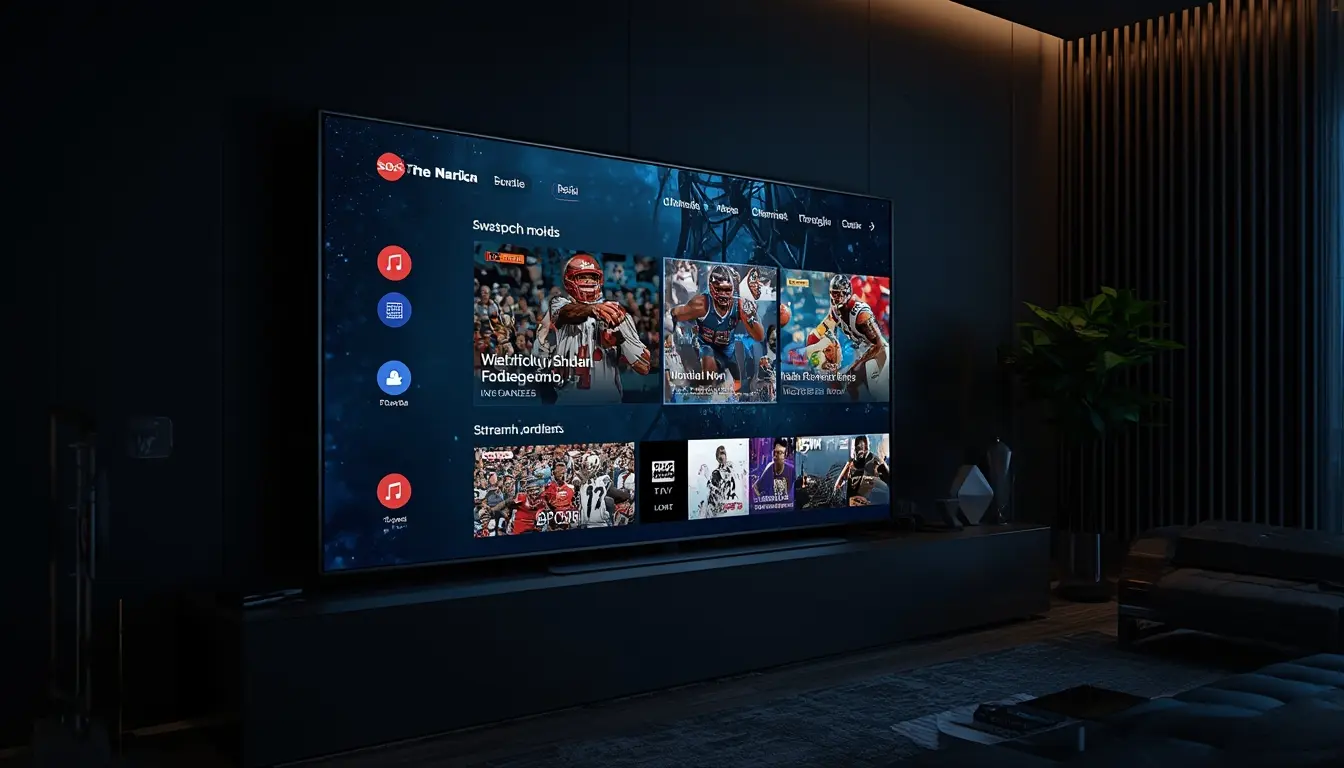
The middleware acts as the central brain of the IPTV system. It manages user accounts, subscriptions, content rights, and billing. It also provides the interface that users interact with, often presenting a user-friendly Electronic Program Guide (EPG) that lists scheduled channels, program descriptions, and available VOD titles. The EPG is a crucial feature for navigating the vast content library, and providers that support it, like Sox Provider, offer a more traditional and intuitive TV-like experience.
End-User Devices and Applications
Finally, the content is delivered to the end-user’s device. This can be a dedicated IPTV box, a smart TV app, a streaming stick (like Amazon Firestick or Roku), a computer (PC/Mac), or a mobile device (smartphone/tablet). These devices run specific IPTV applications that connect to the provider’s servers, authenticate the user, and stream the content. The wide device compatibility offered by premium providers ensures flexibility for users.
How an IPTV Network Works in Practice
To illustrate, let’s follow the path of an IPTV signal from source to your screen.
Requesting Content
When you select a channel or a movie on your IPTV app, your device sends a request through your internet connection to the IPTV provider’s servers. This request includes your subscription details for authentication.
Authentication and Authorization
The provider’s middleware checks your subscription status to ensure you are authorized to access the requested content. This is where services differentiate themselves by the ease and speed of activation. Sox Provider is known for its fast activation process, ensuring you can start watching quickly.
Content Stream Delivery
Once authenticated, the provider’s servers locate the requested content. If it’s a live channel, it’s streamed directly. If it’s VOD, the server initiates the playback. The content is then broken down into data packets and sent over the internet.
Reassembly and Playback
Your IPTV device or app receives these packets. It then reassembles them in the correct sequence and decodes the data to display the video and audio. This entire process, from request to playback, happens in seconds, ideally without interruption or buffering. This is where technologies like anti-freeze are critical, ensuring a smooth, uninterrupted viewing experience, a hallmark of premium services.
Advantages of IPTV Networks
The shift to IPTV networks offers numerous benefits over traditional television delivery methods, fundamentally changing how we engage with entertainment.
Flexibility and On-Demand Viewing
One of the most significant advantages is the flexibility it offers. IPTV allows for true on-demand viewing, meaning you can watch what you want, when you want. This includes access to extensive VOD libraries filled with movies and series, and features like catch-up TV, which lets you watch programs that have already aired. Sox Provider offers a massive VOD library, reportedly over 150,000 movies and TV series, alongside its live channels.
High-Quality Streaming
IPTV networks are designed to deliver content in high definition, and increasingly, in Full HD and 4K resolution. This offers a superior visual experience compared to many traditional broadcast standards. The ability to stream in HD, Full HD, and 4K is a key indicator of a premium IPTV service.
Broad Device Compatibility
IPTV services are accessible on a wide range of devices, including Smart TVs, Android Boxes, Firesticks, computers, tablets, and smartphones. This multi-device compatibility means you can enjoy your subscription across your favorite gadgets. Sox Provider emphasizes this broad device compatibility, making it easy to access content on virtually any platform.
Interactivity and Enhanced Features
The IP-based nature of IPTV allows for enhanced interactivity. Features like EPGs, personalized recommendations, parental controls, and even interactive advertising are possible. Catch-up TV and the ability to pause or rewind live streams further enhance the user experience.
Cost-Effectiveness and Value
While initial setup might involve purchasing a device or app, IPTV subscriptions can often be more cost-effective than traditional cable or satellite packages, especially when considering the breadth of content offered. Providers often offer various subscription durations, from monthly to multi-year and even lifetime plans, catering to different user needs and budgets. For instance, Sox Provider offers flexible plans and has prominent lifetime deals for users seeking long-term value.
Considerations for a Stable IPTV Network Experience
While IPTV offers many advantages, achieving a consistently smooth and uninterrupted viewing experience depends on several factors, primarily related to your internet connection and the quality of the IPTV provider.
Internet Connection Speed and Stability
Your internet speed is the most critical factor. For HD streaming, a minimum of 5-10 Mbps is generally recommended, while 4K streaming requires 25 Mbps or higher. However, speed alone isn’t enough; connection stability is equally important. Fluctuations in speed or frequent disconnections will lead to buffering and a poor viewing experience. Providers often guarantee a certain uptime percentage, but your home network’s performance plays a significant role.
Router and Network Configuration
The quality of your router and how your home network is configured can also impact IPTV performance. An older or underperforming router may struggle to handle the demands of streaming, especially on multiple devices. Using a wired Ethernet connection instead of Wi-Fi can often provide a more stable and faster connection.
Provider Reliability and Technology
The IPTV provider itself is a major determinant of your experience. Reputable providers invest in robust server infrastructure, employ advanced streaming technologies (like anti-freeze algorithms), and offer excellent customer support. Services that use stable servers and have a proven track record for uptime, such as Sox Provider, are essential for avoiding frustrating buffering and freezing issues. Sox Provider’s commitment to stable performance and smooth playback is a key differentiator.
Device Performance
The device you use to stream also matters. A high-performing smart TV, streaming box, or computer will handle the decoding and playback of IPTV streams more efficiently than older or less powerful devices. Ensure your device meets the recommended specifications for the IPTV service you choose.
Choosing a Reliable IPTV Service
When selecting an IPTV provider, look for those that emphasize stability, quality, and customer satisfaction. Services that offer HD, Full HD, and 4K streaming, boast minimal buffering, and provide robust device compatibility are usually the best choices. Quick activation and reliable 24/7 customer support are also vital, especially if you’re new to IPTV. Providers like Sox Provider aim to deliver a premium IPTV subscription with reliable streaming and multi-device flexibility, covering over 21,000 live channels and a vast VOD library. They focus on ensuring a smooth, stable, and high-quality viewing experience for all their users. For those looking to dive into the world of IPTV and understand the technical underpinnings, this knowledge is key to making informed choices and enjoying the best possible entertainment.
Frequently Asked Questions
What is the difference between IPTV and regular TV streaming services like Netflix?
IPTV, or Internet Protocol Television, delivers content over the internet using IP networks. It typically offers live TV channels, sports, and VOD. Regular streaming services like Netflix are primarily VOD-focused, offering a curated library of movies and TV shows on a subscription basis, though some are now introducing live content. IPTV generally provides a broader range of live linear channels. You can find more on VOD offerings at iptv network.
Can I watch IPTV on any device?
While many devices are compatible, it depends on the IPTV provider and the specific app they use. Most modern IPTV services are designed to work on Smart TVs, Android Boxes, Amazon Firesticks, computers (Windows/Mac), tablets, and smartphones (Android/iOS). Always check the provider’s device compatibility list.
What are the requirements for using an IPTV service?
The primary requirement is a stable and reasonably fast internet connection. A minimum speed of 5-10 Mbps for HD streaming and 25+ Mbps for 4K is recommended. You also need a compatible device (smart TV, streaming box, phone, etc.) and an IPTV application or player that supports the service’s format (e.g., M3U playlist, Xtream Codes API).
How do IPTV providers ensure smooth streaming without buffering?
Reliable IPTV providers invest in robust server infrastructure, use advanced streaming technologies such as anti-freeze algorithms, and often employ Content Delivery Networks (CDNs) to distribute content geographically. They also prioritize video traffic to ensure it gets to your device quickly. For users seeking a seamless experience, exploring platforms offering iptv streaming is advisable.
What is the legal status of IPTV?
The legality of IPTV can be complex. Services that distribute copyrighted content without proper licensing are illegal. However, legitimate IPTV services that have acquired the necessary rights to broadcast channels and offer VOD content are legal. It’s crucial to choose providers that are transparent about their content licensing. For more details on platforms, you might want to learn more here.
Can I get IPTV for free?
While some services might offer free trials, completely free, high-quality IPTV services are rare and often unreliable or illegal. Free services typically lack stability, offer limited content, and may compromise your security or legal standing. It’s generally recommended to opt for paid, reputable services for a safe and enjoyable experience. Consider this as an additional resource for understanding different platforms.