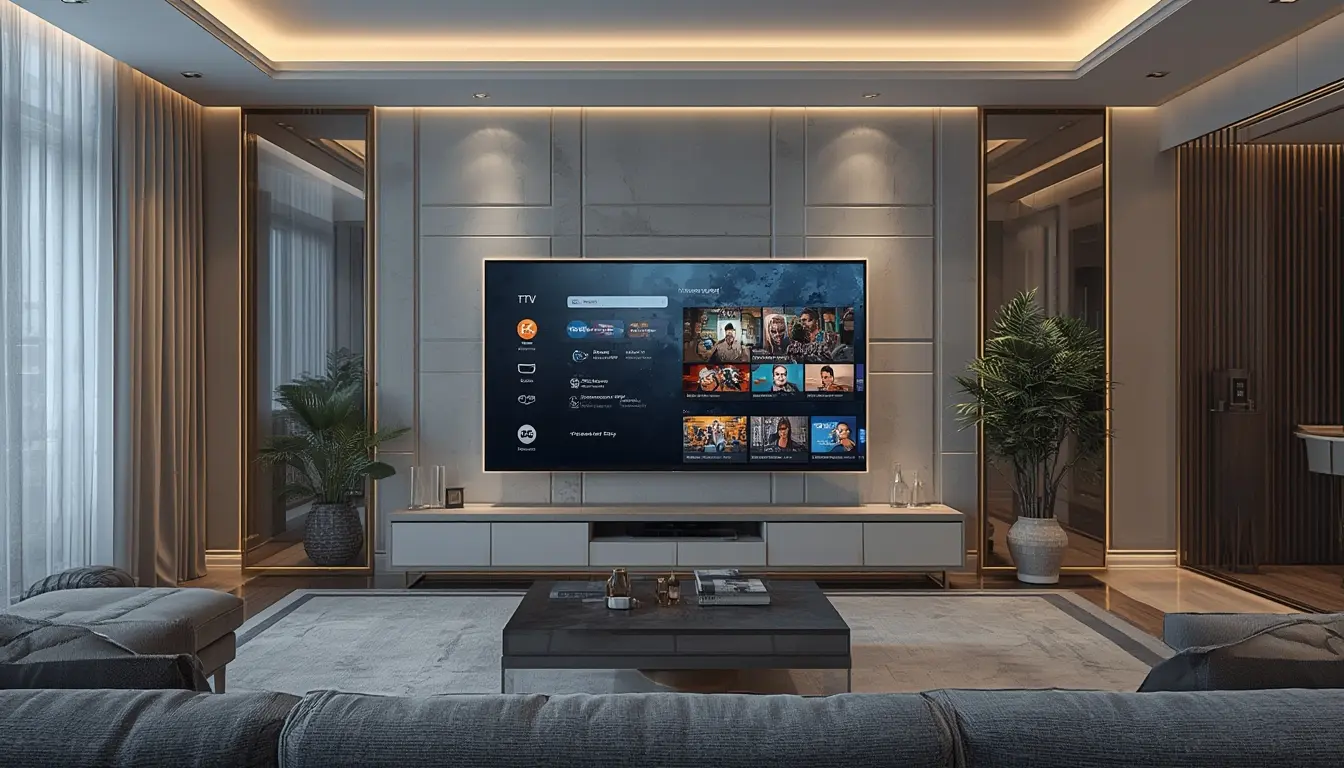

The convergence of smart home technology and advanced entertainment systems is rapidly transforming how we experience our living spaces. For many, this means seamlessly integrating all aspects of their digital lives, from controlling lights and thermostats to enjoying a rich media library. In this evolving landscape, the demand for sophisticated solutions like iptv for home automation with multi-room streaming support is growing. This type of service allows users to not only access a vast array of live TV channels and on-demand content but also to distribute this entertainment effortlessly across multiple rooms, all while potentially interacting with other smart home devices. As we look towards 2027, the ideal IPTV service for a connected home must offer unparalleled reliability, robust multi-room capabilities, and a degree of integration that makes it more than just a streaming platform—it becomes a core component of the smart living experience. This article will delve into what makes an IPTV service truly stand out for home automation and multi-room streaming, exploring key features, integration possibilities, and what to look for in a premium provider.
Understanding the Core Components: IPTV, Home Automation, and Multi-Room Streaming
To appreciate the synergy required, it’s essential to break down each element.
IPTV Explained
Internet Protocol Television (IPTV) delivers television content over Internet Protocol networks. Unlike traditional broadcasting methods, IPTV streams content directly to your device via the internet. This offers significant advantages, including on-demand content, interactive features, and the ability to stream on various devices. For the modern home, IPTV is the backbone of flexible entertainment.
Home Automation Integration
Home automation, or smart home technology, refers to the integration of devices and systems that allow for the remote control and monitoring of household functions. This can include lighting, heating, security systems, entertainment devices, and more. The goal is to enhance convenience, energy efficiency, and security. The ultimate vision is a home where devices communicate and work together seamlessly, often controlled by a central hub or voice commands.
Multi-Room Streaming Capabilities
Multi-room streaming is the ability to enjoy your chosen content on multiple screens or speakers simultaneously across different areas of your home. This means you can watch the same show in the living room, a different program in the bedroom, or listen to your favorite music playlist in the kitchen, all from a single subscription. This feature is crucial for households with diverse viewing habits and multiple occupants.
The Synergy: Why IPTV for Home Automation with Multi-Room Streaming Support is the Future
The true power emerges when these elements are combined. An iptv for home automation with multi-room streaming support aims to provide a unified entertainment and control experience.
Enhanced Convenience
Imagine controlling your IPTV viewing schedule alongside your smart home routines. For instance, a “Movie Night” scene could dim the lights, close the blinds, and launch your favorite streaming app or channel on the main TV, all with a single command. If you need to pause your show to answer the door, smart doorbells can be integrated to display a feed on your TV.
Unified Control
Instead of juggling multiple apps and remotes, a well-integrated system allows for more consolidated control. This could involve voice commands recognized by your smart home assistant (like Alexa or Google Assistant) that can then command your IPTV service to change channels, search for content, or even adjust volume, potentially across multiple rooms.
Seamless Content Distribution
The multi-room aspect is where the home automation integration truly shines. Instead of needing separate subscriptions or complex setups for each room, a single IPTV service with robust multi-room capabilities can be streamed to various smart TVs, streaming sticks, or even tablets throughout the house. This simplifies management and can be more cost-effective.
Key Features to Look for in 2027
As technology advances, the expectations for IPTV services catering to smart homes will continue to rise. Here are the critical features to prioritize:
High-Quality Streaming and Reliability
This is non-negotiable. For multi-room streaming, especially across multiple high-definition or 4K streams, a stable and high-bandwidth connection is paramount. The IPTV provider must guarantee consistent uptime and minimal buffering. Providers like Sox Provider aim to offer this level of reliability, ensuring your entertainment is always ready.
Extensive Channel Selection and On-Demand Library
A broad selection of live TV channels, catering to diverse interests, is a baseline requirement. Equally important is a comprehensive on-demand library of movies, TV shows, and documentaries. For home automation integration, the ability to easily access content via voice or smart home routines is key.
True Multi-Room Support (Simultaneous Streams)
Not all services that claim “multi-room” capabilities offer the same experience. Look for services that explicitly allow a specific number of simultaneous streams without performance degradation. This means multiple family members can watch entirely different content in different rooms without any lag or quality loss. The ability to cast or mirror content seamlessly from one device to another within the home network is also a significant plus.
Smart Home Platform Compatibility
This is where the “home automation” aspect comes into play. The ideal IPTV service will integrate with popular smart home ecosystems.
#### Voice Assistant Integration
Compatibility with Amazon Alexa, Google Assistant, or Apple’s Siri is a game-changer. This allows users to control their IPTV experience using voice commands. Examples include: “Hey Google, play the latest episode of [Show Name] on [IPTV Service],” or “Alexa, change the channel to [Sports Channel] in the living room.”
#### Universal Remote Capabilities
Some smart home hubs can act as universal remotes, consolidating control of all entertainment devices. An IPTV service that plays well with these hubs can be controlled alongside your Blu-ray player, soundbar, and other connected devices, simplifying your setup.
#### Smart Scene Integration
The ability for the IPTV service to be a trigger or participant in smart home scenes is highly desirable. For instance, a “Wake Up” scene might gently increase the lights and then start a news channel on a bedroom smart TV. Conversely, a “Good Night” scene could turn off all devices, including the TV, after a set time.
User-Friendly Interface and Device Support
Navigating the IPTV service should be intuitive, even for less tech-savvy family members. Support for a wide range of devices is also crucial:
- Smart TVs: Native apps for major brands (Samsung, LG, Sony, etc.) running Tizen, webOS, Android TV, or Google TV.
- Streaming Devices: Apps for Amazon Fire TV Stick, Roku, Apple TV, Nvidia Shield, and Chromecast.
- Mobile Devices: Robust apps for iOS and Android smartphones and tablets.
- Gaming Consoles: Apps for PlayStation and Xbox are becoming more common.
Advanced Features
- EPG (Electronic Program Guide): A well-designed EPG is essential for browsing live TV.
- Catch-Up TV and DVR Functionality: The ability to watch missed programs or record live TV for later viewing adds immense value.
- User Profiles: For households with multiple users, individual profiles allow for personalized recommendations and watchlists.
- Parental Controls: Robust controls are vital for managing content access for younger viewers.
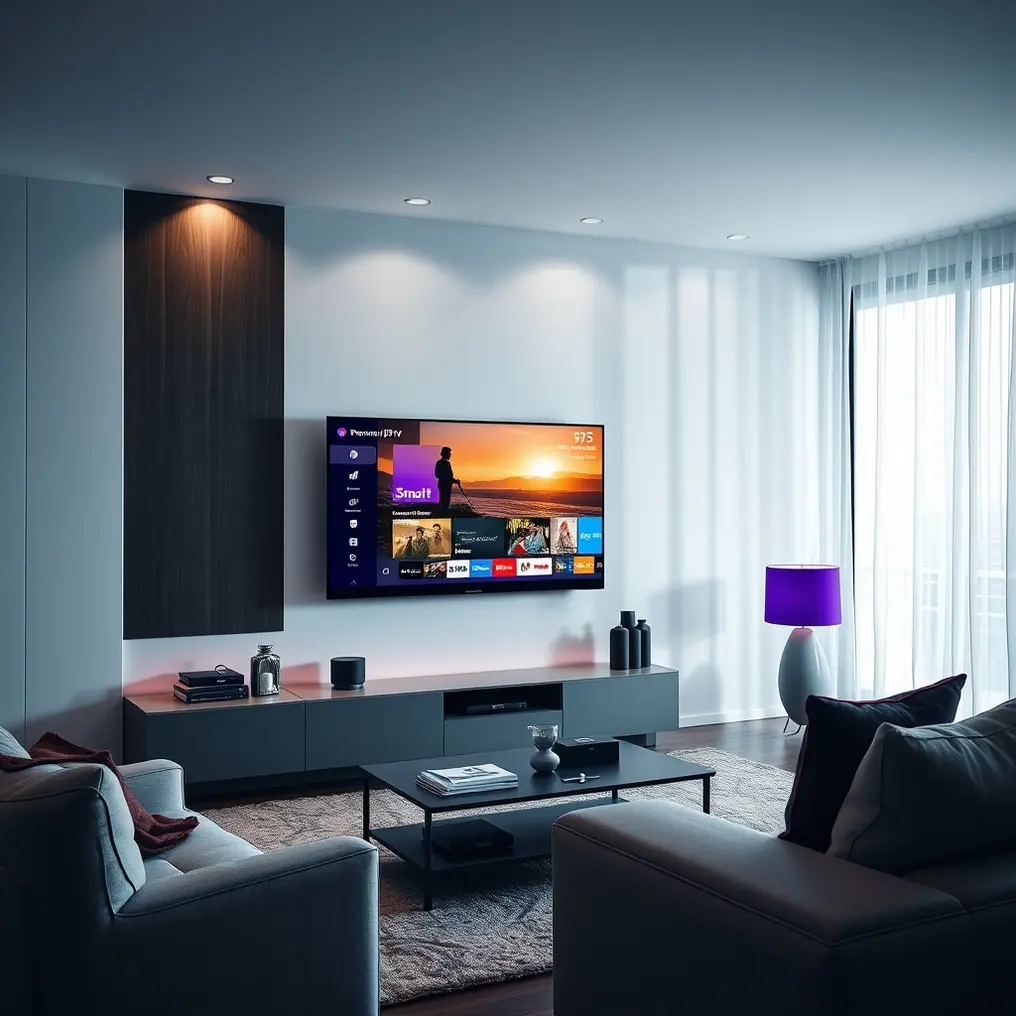
Evaluating IPTV Providers for Smart Homes in 2027
When selecting an IPTV service, especially one that promises to be the best iptv for home automation with multi-room streaming support, consider the following factors:
Performance and Uptime Guarantees
Look for providers that clearly state their uptime statistics or offer guarantees. Poor performance can negate the benefits of advanced features. Researching user reviews focusing on stability during peak hours is also insightful.
Customer Support
When dealing with integrated systems, reliable customer support is invaluable. Ensure the provider offers multiple channels for support (chat, email, phone) and has a reputation for prompt and effective assistance.
Pricing and Value
While premium features often come at a premium price, evaluate the overall value proposition. Compare the number of simultaneous streams, channel count, and integration capabilities against the cost. Some providers, like Sox Provider, focus on delivering a comprehensive package that justifies the investment for users prioritizing a smart, connected entertainment experience.
Security and Privacy
Ensure the provider employs strong security measures to protect your personal data and streaming activity. Understanding their privacy policy is crucial, especially when integrating with your smart home network.
Integrating IPTV with Your Smart Home Ecosystem
The practical implementation of smart home IPTV integration involves a few key considerations:
Choosing the Right Devices
- Smart TVs: Modern smart TVs often have built-in compatibility with streaming apps and can sometimes be directly controlled by smart home hubs.
- Streaming Devices: Devices like Amazon Fire TV Cube or Nvidia Shield are excellent choices as they are often more powerful and have better smart home integration capabilities than standard smart TV apps. They can act as central hubs for controlling both your IPTV and other smart devices.
- Smart Hubs: Devices like Samsung SmartThings, Hubitat, or Apple HomeKit hubs can orchestrate complex automations, bringing together your IPTV service and other smart home gadgets.
Setting Up Voice Control
If your IPTV service supports it, linking it to your preferred voice assistant is usually straightforward through the assistant’s app. You’ll typically need to enable a skill or action related to the IPTV provider and then link your account.
Creating Smart Scenes
This is where the true automation magic happens. In your smart home app (e.g., Google Home, Alexa app, Apple Home), you can create routines or scenes that trigger multiple actions. For example, a “Good Morning” scene could:
1. Turn on bedroom lights gradually.
2. Start a news channel on the bedroom smart TV via IPTV.
3. Adjust the thermostat.
Alternatively, a “Game Night” scene might turn on the TV, launch the gaming console, set specific lighting moods, and ensure your IPTV service is ready for pre-game viewing.

Potential Challenges and How to Overcome Them
While the benefits are substantial, users might encounter a few hurdles:
Bandwidth Limitations
Running multiple HD or 4K streams simultaneously requires significant internet bandwidth. If you experience buffering, consider upgrading your internet plan or optimizing your home network. Using a wired Ethernet connection for your primary streaming devices can often provide a more stable experience than Wi-Fi.
Device Compatibility Issues
Not all devices communicate perfectly with each other. Always check compatibility lists for your IPTV provider, smart TVs, streaming devices, and smart home hubs before purchasing. Reading user forums can reveal common compatibility issues and workarounds.
Complex Setup
Integrating multiple systems can sometimes be technically challenging. If you’re not comfortable with advanced networking or smart home configurations, consider professional installation services or opt for providers with exceptionally user-friendly setup guides and excellent customer support.
Content Availability Across Devices
Ensure that the content you want to watch is available on all the devices you intend to use for multi-room streaming. Some apps might have different feature sets or content libraries depending on the platform.
The Best IPTV for Home Automation with Multi-Room Streaming Support in 2027: What to Expect
As we approach 2027, the market for IPTV services tailored to smart homes will likely be more mature, offering more refined solutions. Consumers will expect:
- Deeper Integration: IPTV services will move beyond simple app support to offer more profound integration with smart home platforms, potentially allowing for direct control of streaming parameters (like audio tracks or subtitles) via voice.
- AI-Powered Personalization: Expect AI to play a larger role in content recommendations, multi-room synchronization, and even proactive suggestions based on smart home routines and user habits.
- Ubiquitous 4K/HDR Support: High-quality streaming will become standard, with widespread support for 4K resolution, HDR (High Dynamic Range), and advanced audio formats across most devices.
- Enhanced Security Features: With increased integration comes greater risk. Providers will need to offer robust security protocols to protect user data and prevent unauthorized access.
- Subscription Flexibility: While comprehensive packages will exist, expect more à la carte options or modular subscriptions that allow users to tailor their channel lineups and feature sets to their specific smart home needs.
For those seeking a premium experience right now, looking for providers that already excel in these areas is key. Services that offer a robust channel lineup, proven multi-room streaming stability, and clear compatibility with major smart home assistants are leading the charge. A service like Sox Provider positions itself to meet these demands by focusing on the quality of stream delivery and a broad range of content, making it a strong contender for users looking to build a truly integrated entertainment system. Exploring options that offer seamless smart home IPTV integration with multi-room streaming will be crucial for creating the ultimate connected living experience.

Conclusion
The future of home entertainment is undoubtedly intertwined with smart home technology. The ability to enjoy your favorite content seamlessly across every room, while also having it interact with your home’s automated functions, represents the pinnacle of modern convenience. Selecting the right iptv for home automation with multi-room streaming support is paramount to achieving this vision. By prioritizing reliability, extensive features, robust multi-room capabilities, and genuine smart home integration, users can find a service that transforms their living space into a truly connected and entertaining environment. As we move into 2027, the demand for such sophisticated solutions will only grow, making it an exciting time for innovation in both IPTV and smart home technology.
Frequently Asked Questions
### What is the minimum internet speed required for multi-room IPTV streaming?
For smooth HD streaming across multiple rooms, a minimum of 50-100 Mbps is generally recommended. For 4K streams, you’ll want at least 100-200 Mbps, depending on how many simultaneous 4K streams you plan to run. Always check your IPTV provider’s specific recommendations.
### Can I control my IPTV channels using voice commands with any smart home assistant?
Not all IPTV services integrate with all smart home assistants. You’ll need to ensure your chosen IPTV provider explicitly supports integration with your preferred assistant (e.g., Amazon Alexa, Google Assistant, Apple HomeKit) and that your smart home hub or speaker is also compatible.
### How does multi-room streaming differ from simply using multiple devices with one account?
While some services allow multiple devices, true multi-room streaming implies a seamless experience where content can be initiated, paused, and resumed across different rooms or devices without interruption, often with synchronized playback or independent channel selection on each screen. It’s about distributed and coordinated access to content throughout the home.
### Are there any IPTV providers specifically designed for home automation?
While many providers offer features that complement home automation, few are exclusively designed for it. The trend is towards general IPTV services incorporating advanced integration capabilities. Providers focusing on premium features, stability, and broad device support, like Sox Provider, are best positioned to serve this niche by offering the necessary building blocks for smart home integration.