
IPTV has revolutionized how we consume entertainment, moving beyond traditional linear broadcasting. Among its most significant advancements is the concept of iptv on demand, which offers viewers unprecedented control over their viewing experience. Gone are the days of having to schedule your life around a TV guide; with on-demand services, the content comes to you, whenever you want it. This shift in consumption patterns has made IPTV, particularly services that incorporate robust on-demand libraries, incredibly popular. Understanding what IPTV on demand entails and how it functions is key to unlocking a world of flexible and personalized entertainment.
What Exactly is IPTV On Demand?
IPTV on demand refers to a service that allows users to stream content – typically movies, TV shows, and sometimes even live channels with a specific feature called catch-up – at a time of their choosing, rather than being restricted to a broadcast schedule. This is fundamentally different from traditional television, where viewers must tune in at specific times for specific programs. The “on-demand” aspect means you can pause, rewind, fast-forward, and play content whenever you please.
This capability is primarily achieved through the internet. Instead of relying on cable or satellite signals, IPTV (Internet Protocol Television) delivers programming directly to your device over your broadband connection. When a service offers IPTV on demand, it means they have a library of content – often referred to as Video On Demand (VOD) – that subscribers can access and watch as many times as they wish within their subscription period. For many users, this expands their entertainment options exponentially, giving them access to a vast catalog of media without the need for physical media like DVDs or Blu-rays.
How Does IPTV On Demand Work?
The underlying technology that powers IPTV on demand is sophisticated yet designed for seamless user experience. It breaks down into a few key components:
Content Delivery Network (CDN)
Content providers and IPTV services utilize Content Delivery Networks (CDNs) to store vast libraries of movies and TV shows on servers distributed globally. When you select a piece of content from an on-demand library, your request is routed to the nearest available server. This intelligent routing ensures that the data travels the shortest possible distance, minimizing latency and buffering. The CDN’s distributed nature is crucial for handling a large volume of simultaneous requests from users worldwide.
Streaming Protocols
Once your request reaches the server, the content is streamed to your device using specific internet protocols. The most common one is HTTP Live Streaming (HLS) or MPEG-DASH. These protocols break down the video and audio into small, manageable data packets. Your device receives these packets sequentially, buffering a small portion ahead of time, which allows for smooth playback even if your internet connection fluctuates slightly. This process is what enables you to start watching content almost instantly after selection.
User Interface and Device Compatibility
The “on-demand” experience is made accessible through dedicated applications or interfaces. IPTV providers offer their services through various platforms, including smart TV apps, dedicated apps for streaming devices like Amazon Fire Stick or Android TV boxes, and even web players for computers. These interfaces are designed to be user-friendly, allowing you to browse categories, search for specific titles, and manage your viewing history.
Bandwidth and Internet Connection
A stable and sufficiently fast internet connection is paramount for enjoying IPTV on demand, especially in high definitions like HD, Full HD, and 4K. The quality of your stream directly correlates with your available bandwidth. For instance, streaming 4K content requires significantly more bandwidth than HD. Providers typically offer recommendations for minimum internet speeds required to avoid buffering and ensure a premium viewing experience. Services like Sox Provider are known for their stable streaming technology, which helps optimize playback even on less-than-perfect connections.
The Benefits of IPTV On Demand
The rise in popularity of IPTV on demand is not without reason. It brings a host of benefits that traditional TV simply cannot match:
Unmatched Convenience and Flexibility
This is perhaps the biggest draw. You are no longer a slave to a schedule. Want to watch a movie at 2 AM? No problem. Missed the latest episode of your favorite show? Just stream it. Your viewing habits dictate your viewing times. This flexibility is especially valuable for individuals with busy lifestyles or those who enjoy late-night entertainment.
Extensive Content Library
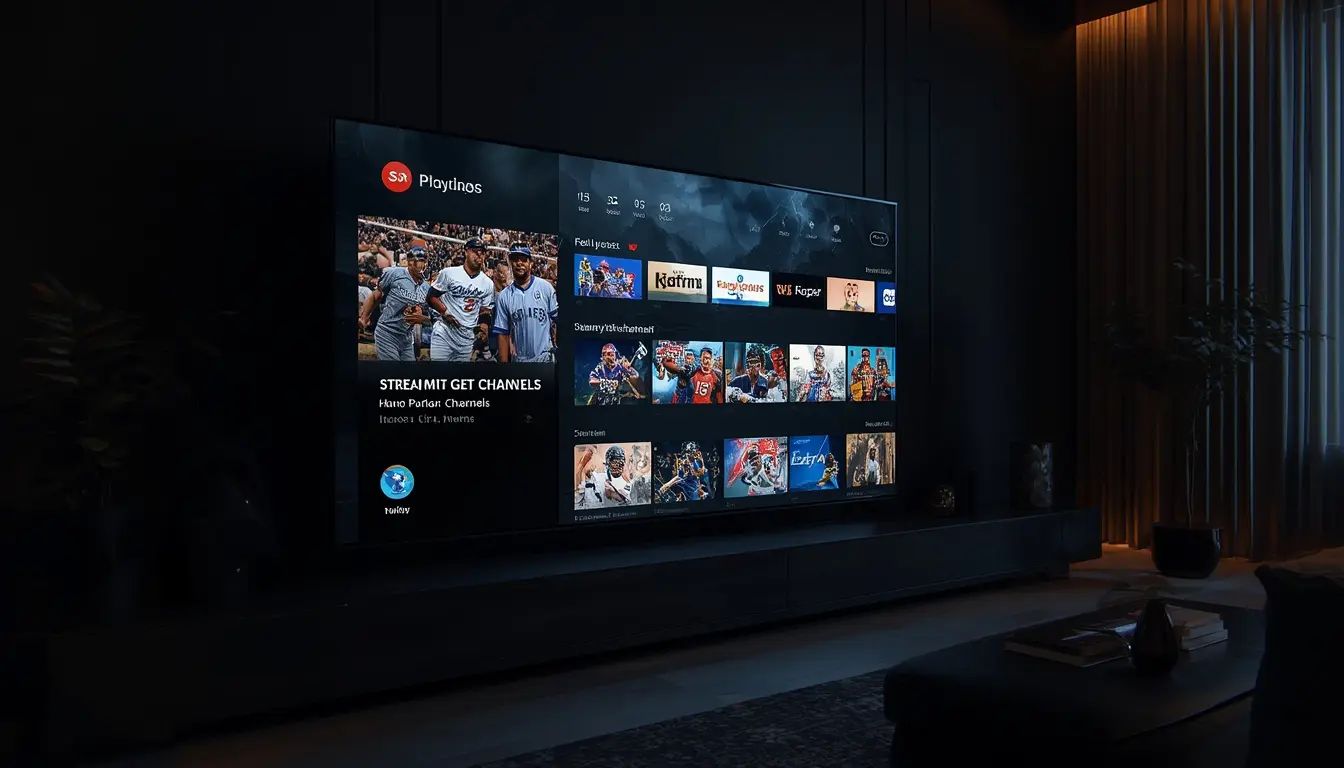
IPTV VOD libraries are often massive, encompassing thousands of movies, TV series, documentaries, and even exclusive content. A reputable provider like Sox Provider boasts over 21,000 live channels and a VOD library with more than 150,000 movies and TV series. This sheer volume of content ensures that there’s always something new to discover, catering to every taste and preference.
High-Quality Streaming
Modern IPTV on-demand services prioritize streaming quality. You can expect content in HD, Full HD, and even 4K resolution. This means sharper images, more vibrant colors, and a more immersive viewing experience, especially on larger screens. Providers often employ anti-freeze technology to ensure smooth playback, minimizing frustrating interruptions.
Device Versatility
IPTV on demand is not confined to a single device. You can access your subscription on a wide range of devices, including Smart TVs, Android Boxes, Amazon Firesticks, PCs, Macs, tablets, and smartphones. This multi-device compatibility means you can enjoy your favorite content anywhere, whether you’re at home or on the go, often with support for multiple simultaneous connections from a single subscription.
Cost-Effectiveness
Compared to traditional cable packages that often force you to pay for numerous channels you never watch, IPTV subscriptions, particularly those offering comprehensive on-demand content, can be far more cost-effective. Many providers offer flexible plans based on duration and the number of connections, allowing you to choose a package that best suits your budget and needs. For those looking for long-term value, lifetime IPTV plans are also available, offering perpetual access for a one-time payment.

Key Features to Look for in an IPTV On Demand Service
When choosing an IPTV service that offers on-demand content, several features are critical for a superior experience:
Content Volume and Variety
The sheer number of movies and series available is crucial. Look for providers that continuously update their libraries and offer a diverse range of genres to keep things fresh. A library exceeding 150,000 titles, like that offered by Sox Provider, is a strong indicator of a comprehensive offering.
Streaming Reliability and Stability
This is arguably the most important factor. Frequent buffering, freezing, or connection drops can ruin the viewing experience. Services that emphasize stable servers, anti-freeze technology, and a high uptime guarantee (like the 99.9% uptime Sox Provider promises) are worth prioritizing.
Video and Audio Quality
Ensure the service supports HD, Full HD, and 4K streaming. High-quality audio also contributes significantly to the immersive experience.
Electronic Program Guide (EPG)
For live channels, an EPG is essential. It provides a grid-like schedule of upcoming programs, allowing you to see what’s on and plan your viewing. Services that integrate EPG support with their on-demand libraries create a more cohesive user experience.
Catch-Up TV
Catch-up functionality allows you to watch programs that have already aired on live TV. This feature bridges the gap between live broadcasting and on-demand, offering a complementary viewing option. Services often provide this for a limited period after the broadcast, making it a valuable addition to their platform, akin to what you might find with iptv catch up functionalities.
Device Compatibility
Confirm that the service works on all your preferred devices. A broad compatibility range means more flexibility in where and how you watch.
Customer Support
Reliable 24/7 customer support is crucial, especially when dealing with technical issues or subscription queries. Prompt and helpful support can make a significant difference in your overall satisfaction.
Ease of Setup and Activation
A good provider will offer straightforward setup instructions and quick activation. Many services, including Sox Provider, pride themselves on instant or rapid activation, often sending login details via email or WhatsApp shortly after purchase.
Understanding the Difference: IPTV On Demand vs. Traditional Streaming Services
While IPTV on demand and traditional streaming services like Netflix, Amazon Prime Video, or Hulu share similarities, they also have distinct differences:
Content Source and Licensing
Traditional streaming services license content directly from studios and networks, often with exclusive deals. IPTV on demand services, particularly those that fall outside the mainstream legal framework, may aggregate content from various sources. Legitimate IPTV providers work hard to ensure they offer legal access to content. For instance, Sox Provider emphasizes its premium IPTV subscription model with a vast library.
Live TV Integration
A key differentiator for IPTV on demand is the often-integrated offering of live TV channels alongside on-demand content. Many traditional streaming services focus solely on VOD or offer live TV as a separate, more expensive add-on package (like YouTube TV or Hulu + Live TV). A comprehensive IPTV service might offer thousands of live channels spanning sports, news, entertainment, and more, in addition to its extensive VOD library.
Subscription Models
While both offer subscription-based access, IPTV services can sometimes provide more varied pricing structures, including longer-term plans like 1, 2, 3, 4, 5 years, and even lifetime options. This flexibility can be very appealing for users seeking a long-term, one-time payment solution.
Technology and Delivery
Both utilize the internet for delivery. However, IPTV might operate with a more direct, often proprietary, network structure for its streams, emphasizing stability and minimal buffering, sometimes using custom firmware or apps designed to optimize the streaming experience.

Popular Platforms and Devices for IPTV On Demand
The flexibility of IPTV on demand means it’s accessible on a wide array of devices. Some of the most popular include:
Smart TVs
Most modern smart TVs (Samsung, LG, Sony, etc.) can either run dedicated IPTV apps or allow you to install them through their respective app stores.
Streaming Devices
Devices like Amazon Fire TV Stick, NVIDIA SHIELD, Roku, and Apple TV are excellent platforms for IPTV. They are often affordable, easy to set up, and support a wide range of IPTV apps.
Android Boxes and TV Boxes
These dedicated Android-based devices are specifically designed for media consumption and are highly compatible with IPTV applications.
Smartphones and Tablets
Both Android and iOS devices can run IPTV apps, allowing you to enjoy on-demand content on the go.
Computers (Windows/Mac)
Users can stream IPTV on their computers using web browsers or dedicated media players like VLC, which can play IPTV streams via M3U playlists.
For many users, the Amazon Fire Stick remains a go-to device due to its affordability and ease of sideloading applications. Once set up with the right app and subscription credentials, it transforms into a powerful media center for accessing IPTV on demand.
Choosing the Right IPTV On Demand Provider
Selecting the best IPTV on demand provider involves balancing features, reliability, and cost. A premium IPTV subscription from a provider like Sox Provider aims to deliver on all these fronts. They focus on stable streams, 4K quality, extensive content, and multi-device support. When evaluating providers, always consider customer reviews, the clarity of their offerings, and the quality of their support. Don’t hesitate to look for options that allow you to learn more here about their specific features before committing. Remember, a great IPTV on demand service means more than just access to movies and shows; it means a seamless, high-quality, and reliable entertainment experience tailored to your schedule. For those seeking extensive options and features, exploring further resources like additional resource can provide valuable insights into the broader IPTV landscape.
Frequently Asked Questions about IPTV On Demand
### What is the difference between VOD and Live TV in IPTV?
VOD (Video On Demand) refers to pre-recorded content like movies and TV series that you can watch anytime. Live TV is traditional linear broadcasting, where programs are aired at scheduled times, though IPTV services often offer an immense selection of these channels.
### Do I need a specific app for IPTV on demand?
Yes, generally you will need an IPTV player app or a dedicated app provided by your IPTV service. Popular apps include IPTV Smarters Pro, TiviMate, GSE Smart IPTV, and Perfect Player, among others. Some providers offer their own custom apps for an integrated experience.
### Is IPTV on demand legal?
The legality of IPTV services can be complex and depends heavily on the provider and how they source their content. Subscription services that acquire content legally and pay licensing fees are generally considered legal. Services that offer premium channels without proper authorization may operate in a legal grey area or be outright illegal. Sox Provider, for example, positions itself as a premium provider with a focus on legitimate access to a vast content library.
### How much internet speed do I need for IPTV on demand?
For HD streaming, a minimum of 5-10 Mbps is generally recommended. For Full HD, 10-20 Mbps is ideal. For 4K content, you’ll want at least 25-50 Mbps or more. A stable connection is more important than just raw speed, so a consistent connection from your ISP is crucial.
### Can I use IPTV on demand on multiple devices simultaneously?
Most IPTV providers offer plans that allow multiple simultaneous connections. These plans are typically priced based on the number of devices that can stream at the same time. For instance, Sox Provider offers plans ranging from 1 device up to 6 devices, and even lifetime plans often extend up to 8 devices, allowing family members to watch different content on different devices concurrently.