
In today’s interconnected world, families seek entertainment solutions that cater to diverse tastes and schedules. The modern living room is no longer a single-screen domain; it’s a hub of activity where everyone wants to watch their preferred content simultaneously. This is where the demand for an effective iptv with multi-screen support for family viewing becomes paramount. As we look ahead to 2027, the landscape of digital television has evolved significantly, prioritizing flexibility, simultaneous streaming, and robust channel offerings. Finding a service that balances these needs with affordability and reliability is key for any household looking to upgrade their viewing experience. This guide will explore what makes multi-screen IPTV essential for families and highlight factors to consider when selecting the best service for your needs in the coming year.
Understanding Multi-Screen IPTV for Families
Multi-screen support, often referred to as simultaneous streams or connections, is a feature that allows a single IPTV subscription to be used on multiple devices at the same time. For families, this is a game-changer. Imagine a scenario where a parent wants to watch a football match in the living room, a teenager is catching up on a series in their bedroom, and a younger child is enjoying cartoons on a tablet. Without multi-screen support, only one of these activities could happen at a time, leading to potential conflicts and frustration.
An iptv with multi-screen support for family viewing eliminates these limitations. It ensures that each family member can access their chosen content independently, on their preferred device, without interrupting others. This level of freedom and convenience is what drives the demand for such services. As families increasingly rely on streaming for entertainment, education, and news, the ability to share a subscription across multiple screens without compromising quality or performance is no longer a luxury but a necessity. This feature directly addresses the core challenge of modern family entertainment: satisfying multiple viewing preferences simultaneously.
Key Benefits of Multi-Screen IPTV
The advantages of multi-screen IPTV extend beyond simply avoiding arguments over the remote. They contribute to a more harmonious and versatile home entertainment environment.
- Individual Freedom: Each family member can select and watch whatever they want, whenever they want, on their own device. This removes the need for negotiation and compromise on viewing choices.
- Device Versatility: Multi-screen support typically works across various devices, including smart TVs, smartphones, tablets, streaming boxes (like Android TV boxes or Fire TV Sticks), and computers. This flexibility means content can be accessed anywhere within the home or even on the go, depending on the provider’s terms.
- Cost-Effectiveness: Instead of purchasing multiple individual subscriptions for different family members or devices, a single IPTV plan with sufficient multi-screen support can be significantly more economical. This is particularly important when considering the rising costs of various streaming services.
- Shared Experiences: While individual viewing is a benefit, multi-screen also allows for shared experiences. The whole family can gather to watch a movie or a live event on the main TV, while another family member might be watching a supplementary broadcast or a different channel on a secondary device, enhancing the overall engagement.
- Reduced Parental Control Hassle: For parents, managing content can be easier when each child has their own viewing experience on a separate device, potentially with age-appropriate content settings available on that device.
Essential Features for Family IPTV in 2027
When evaluating IPTV services for family viewing, especially those offering multi-screen capabilities for the year 2027, several features stand out as critical. These elements ensure a smooth, enjoyable, and comprehensive entertainment experience for everyone in the household.
Channel Selection and Variety
The cornerstone of any IPTV service is its channel lineup. For families, this means a broad spectrum of content appealing to different age groups and interests. This includes:
- General Entertainment: Popular movie channels, series, reality TV, and lifestyle programs.
- Kids’ Programming: Dedicated children’s channels with cartoons, educational shows, and family-friendly movies.
- Sports: Live sports are a major draw for many households, encompassing major leagues, international tournaments, and niche sports.
- News and Documentaries: Reliable channels for news updates and informative documentaries.
- International Channels: For families with diverse cultural backgrounds or specific language preferences, access to international channels can be invaluable.
The ability to access a vast library of premium IPTV channels, such as those sometimes found on platforms like Android TV, significantly enhances the value.
Number of Simultaneous Streams
This is the heart of multi-screen functionality. A iptv with multi-screen support for family viewing should clearly state how many devices can stream concurrently. For families, 2-3 simultaneous streams are often the minimum acceptable, with 4 or more being ideal. It’s crucial to understand if these streams are tied to specific devices or IP addresses, or if they offer true flexibility across the household network.
Video and Audio Quality
In 2027, viewers expect high-definition viewing as standard. Look for services that consistently deliver:
- HD (High Definition) and 4K (Ultra HD) Streaming: Crisp, clear visuals that make movie nights or sports events immersive.
- Stable Streams: Minimal buffering, pixelation, or stream drops. This depends heavily on the provider’s infrastructure and the user’s internet connection, but a good provider optimizes for stability.
- Good Audio: Clear sound reproduction, ideally supporting surround sound formats for compatible devices.
Reliability and Uptime
A service that frequently goes down is frustrating for everyone. Families need an IPTV provider that offers excellent uptime, ensuring that their chosen content is available when they want to watch it. This often comes down to the provider’s infrastructure, server maintenance, and commitment to continuous operation. Researching reputable IPTV providers is key here; a reliable IPTV provider is foundational for consistent family entertainment.
User Interface and Ease of Use
Navigating an IPTV app or service should be intuitive, especially for less tech-savvy family members. A clean, user-friendly interface that makes finding channels, setting favorites, and accessing guides simple is essential. This applies whether you’re using a dedicated IPTV app on a smart TV, a streaming box, or a mobile device.
Catch-Up TV and On-Demand Options
While live TV is important, many families also benefit from catch-up functionality, allowing them to watch programs that have already aired within a certain timeframe (e.g., 7 or 14 days). On-demand libraries of movies and series further enhance the flexibility, offering a true Netflix-like experience alongside live channels. A 14-day catch-up IPTV feature, for example, provides significant viewing flexibility.
Geographic Accessibility and Geo-Restrictions
Ensure the service is accessible in your region and that there are no overly restrictive geo-blocking measures that might prevent access to certain content or channels, especially if family members are traveling or live in different locations but share a subscription.
Factors to Consider When Choosing an IPTV Provider for Family Viewing
Selecting the right iptv with multi-screen support for family viewing involves more than just looking at the number of channels. For families, a holistic approach is necessary, balancing technical features with practical household needs.
Cost and Value Proposition
IPTV services vary widely in price. While it’s tempting to go for the cheapest option, it’s crucial to evaluate the overall value. Consider:
- Subscription Tiers: Do they offer different packages based on channel count or features?
- Contract Lengths: Are you locked into long-term contracts, or can you subscribe month-to-month?
- Hidden Fees: Are there any setup fees, activation charges, or extra costs for certain features?
- Price vs. Features: Does the price align with the number of channels, quality, multi-screen capabilities, and reliability offered? For example, a family iptv multi-screen subscription that offers 4 simultaneous streams and 10,000+ channels for a competitive price might be a better long-term investment than a cheaper plan with fewer streams and content. The ability to get your IPTV subscription online today with a plethora of channels should be weighed against its actual family utility.
Device Compatibility
Verify that the IPTV service is compatible with the devices your family uses most. This includes ensuring their app or recommended player works seamlessly on smart TVs (Samsung, LG, Sony), streaming sticks (Amazon Fire TV, Roku), gaming consoles, or mobile devices (iOS, Android). Some providers might require specific devices or APKs to be installed, so ease of setup is also a consideration.
Customer Support
When issues arise – and they inevitably will with any technology – responsive and helpful customer support is invaluable. Look for providers that offer multiple support channels (e.g., live chat, email, ticketing system) and have a positive reputation for resolving problems quickly. This is particularly important for families where downtime can disrupt planned viewing sessions.
Reputation and Reviews
Before committing to a subscription, thoroughly research the provider’s reputation. Read independent reviews, check user forums, and look for feedback on reliability, stream quality, channel availability, and customer service. Platforms like bestiptvinfoguide.com often provide insights into provider performance. Be wary of providers that make unrealistic promises or have overwhelmingly negative feedback.
Trial Periods and Guarantees
A good IPTV provider will often offer a free trial period or a money-back guarantee. This allows you to test the service’s features, stream quality, and channel selection on your own devices and network before making a financial commitment. This is a critical step for any family seeking an iptv with multi-screen support for family viewing to ensure it meets their specific needs.
Popular Devices for Multi-Screen Family IPTV Viewing
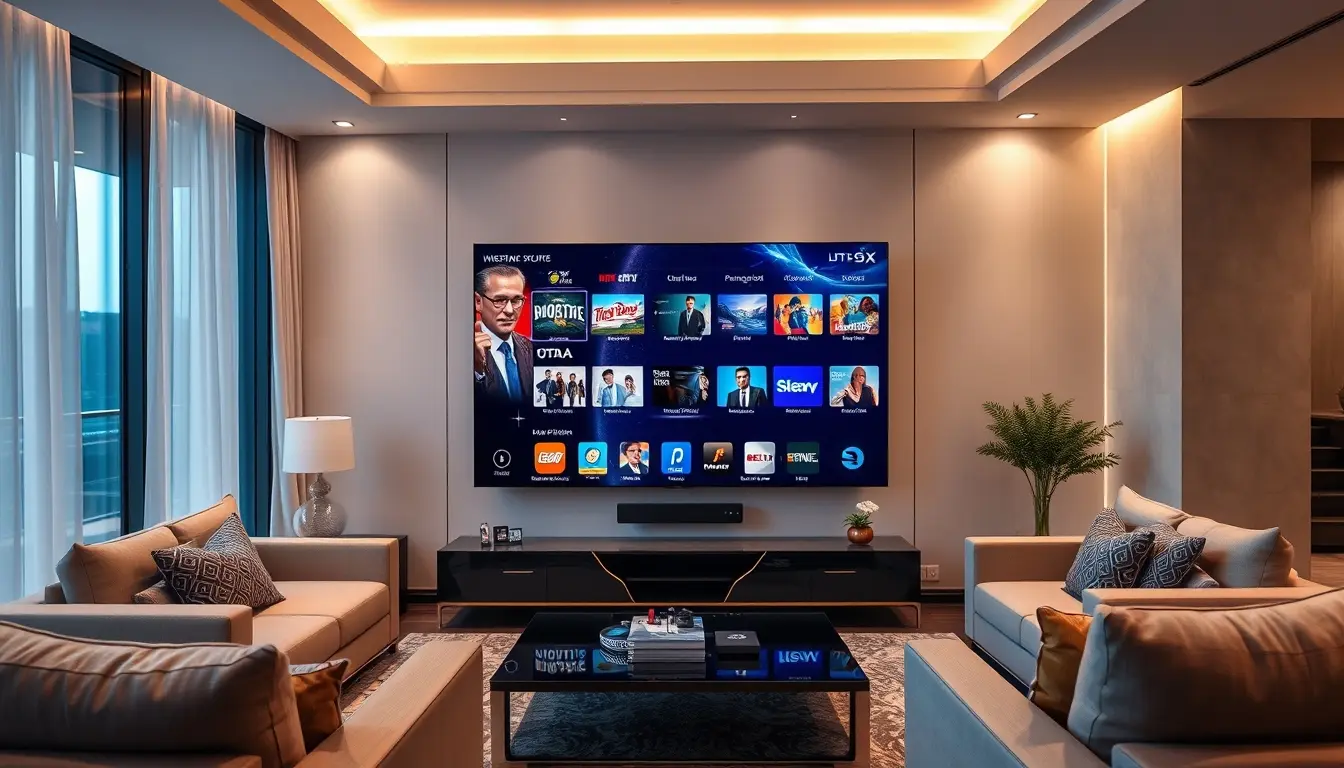
The flexibility of an iptv with multi-screen support for family viewing is amplified by the range of devices it can be accessed on. As we move towards 2027, certain devices have become staples in family entertainment setups, offering seamless integration with IPTV services.
Smart TVs
Modern smart TVs (Samsung, LG, Sony, Vizio, etc.) are often the primary viewing device for many families. Most smart TV platforms allow for the installation of IPTV player apps directly, or support casting from mobile devices. The large screen and integrated nature of smart TVs make them ideal for communal viewing.
Streaming Media Players
Devices like Amazon Fire TV Stick, Google Chromecast, Roku, and Nvidia Shield are incredibly popular due to their affordability and versatility. They turn any TV into a smart TV and provide access to a vast ecosystem of apps, including dedicated IPTV players.
- Amazon Fire TV Stick: Offers a user-friendly interface and easy sideloading of IPTV apps via an APK installer. Ideal for those already within the Amazon ecosystem.
- Nvidia Shield TV: A more powerful Android TV box, known for its superior performance, gaming capabilities, and excellent support for high-quality streaming.
- Roku Devices: Known for simplicity and a wide range of streaming channels, Roku devices can also stream IPTV content, often through casting or specific apps.
- Android TV Boxes: Generic Android TV boxes offer great flexibility, allowing users to install virtually any Android application, including IPTV players.
Smartphones and Tablets
For on-the-go viewing or when the main TV is occupied, smartphones and tablets running iOS or Android are indispensable. Most IPTV providers offer dedicated mobile apps, or content can be streamed through compatible media players like VLC or specialized IPTV apps. This ensures that even during commutes or while waiting, family members can access their content. The ability to cast to a TV from these devices further enhances their utility for family viewing.
Computers and Laptops
Laptops and desktop computers offer a straightforward way to access IPTV services, often through web players or desktop applications. This is particularly useful for older or less common smart TV models, or for individuals who prefer using their computer for entertainment. Browsers like Chrome, Firefox, and Edge can typically stream content without issue.
Popular IPTV Features for Shared Viewing in 2027
Beyond multi-screen functionality, several other features enhance shared family viewing experiences with IPTV services. These features contribute to a more dynamic and user-friendly entertainment ecosystem.
Electronic Program Guide (EPG) Integration
A comprehensive and up-to-date Electronic Program Guide is crucial for navigating live TV. For families, a well-designed EPG makes it easy to see what’s on now, what’s coming up, and to schedule recordings or reminders for favorite shows or matches across various channels. This is especially valuable when multiple family members are using the service independently.
Parental Controls and Content Filtering
For households with younger children, robust parental controls are a significant advantage. The ability to restrict access to certain channels, movies, or TV shows based on age ratings is essential. While many IPTV services might not have built-in, granular parental controls, families can often leverage the controls available on the streaming devices or apps themselves. Ensuring a iptv with multi-screen support for family viewing also offers these safety features is a plus.
Recording Capabilities (DVR/PVR)
Cloud DVR (Digital Video Recorder) or PVR functionality allows users to record live TV programs and watch them later. This is incredibly useful for families whose schedules don’t always align with broadcast times. One family member can record a show they want to watch later, without disrupting another’s viewing on a different screen. This makes a family iptv multi-screen subscription much more flexible.
Picture-in-Picture (PiP) and Split-Screen Modes
While multi-screen refers to concurrent streams on different devices, some advanced IPTV players and platforms offer picture-in-picture or split-screen modes on a single device. This could allow a user to watch a main program while keeping an eye on a sports score or another channel in a smaller window. This is a niche but valuable feature for dedicated viewers.
Customizable Channel Lists and Favorites
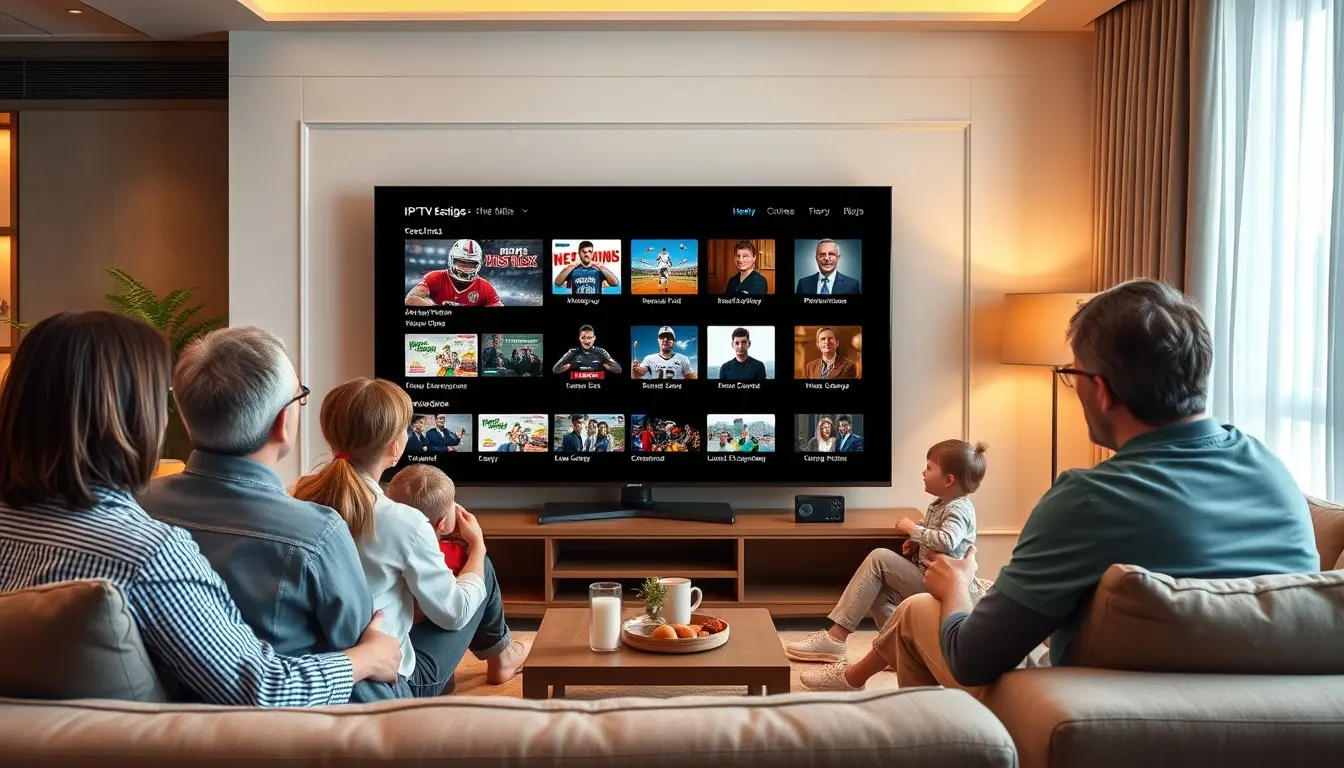
The ability for each family member to create and manage their own list of favorite channels significantly improves the user experience. This personalization means less time spent scrolling through hundreds of channels to find preferred content. Instead, a personalized “favorites” list provides quick access to the channels that matter most to each individual.
Evaluating Providers for the Best Family IPTV Experience
As 2027 approaches, the competition among IPTV providers continues to grow, offering consumers more choices than ever. However, not all providers are created equal, especially when focusing on the specific needs of families looking for multi-screen support. Selecting a service that genuinely excels in this area requires careful evaluation.
When seeking an iptv with multi-screen support for family viewing, priority should be given to providers known for their stability and robust infrastructure. These providers typically invest heavily in their server networks to ensure consistent streaming quality and minimal downtime, which are critical for a household with multiple users relying on the service simultaneously.
Consider providers that openly advertise their simultaneous stream limits and offer packages designed for families. For instance, some services might offer a base package with 2 streams, with an option to upgrade to 4 or even 6 streams for an additional fee. This tiered approach allows families to scale their subscription based on their actual usage needs, ensuring they aren’t overpaying for features they don’t require, or worse, being limited by insufficient streams.
Furthermore, look into the provider’s EPG (Electronic Program Guide) functionality. A clear, intuitive EPG is vital for family members to easily browse and select live content without confusion. Integrations with popular devices like Android TV boxes or Fire TV Sticks, which often have user-friendly interfaces, can significantly enhance the overall viewing experience. Many providers offer guides and setup instructions tailored for these platforms.
The existence of attractive packages like “affordable IPTV packages for family viewing” often signal that a provider understands familial needs. These packages are usually curated to include a wide range of channels catering to different age groups and interests, from children’s programming and educational content to sports and general entertainment.
Another key consideration is customer support. For busy families, issues need to be resolved quickly and efficiently. Providers with responsive live chat, email support, or a comprehensive knowledge base can save a lot of frustration. Reading reviews that specifically mention customer service experiences can be very telling.
Ultimately, the choice of provider for an iptv with multi-screen support for family viewing should align with a family’s unique viewing habits, technical capabilities, and budget. By focusing on reliability, sufficient streams, a diverse channel lineup, user-friendly devices, and excellent support, families can find an IPTV solution that enhances their entertainment without causing friction.
Frequently Asked Questions About Family IPTV
### What is the maximum number of simultaneous streams I can expect for family viewing?
The number of simultaneous streams can vary significantly between providers. While some basic plans might offer 2 streams, many providers catering to families offer packages with 3, 4, or even more simultaneous streams. It’s essential to check the specific plan details of any IPTV service you consider to ensure it meets your household’s needs.
### Can I use an IPTV subscription on different types of devices with multi-screen support?
Yes, typically an iptv with multi-screen support for family viewing allows you to use your subscription on various devices, including smart TVs, smartphones, tablets, streaming boxes (like Fire TV, Android TV boxes, Roku), and computers. However, the provider might have specific compatibility requirements or recommended apps for certain platforms.
### What types of channels are usually included in a family IPTV package?
Family IPTV packages generally aim for broad appeal, including a wide mix of content such as general entertainment channels, movies, TV series, sports channels, news, documentaries, and dedicated children’s channels. The exact lineup will depend on the provider and the specific package chosen.
### How can I ensure the IPTV service is reliable for my family?
To ensure reliability, look for providers with a proven track record, positive customer reviews focusing on uptime and stream quality, and those that offer a free trial period. Reliable providers often have robust server infrastructure and clear communication about any planned maintenance. Researching reliable IPTV providers is a good starting point.
### Is it legal to use IPTV services for family viewing?
The legality of IPTV services can be complex and depends on the provider’s licensing and content sourcing. Services that offer authenticated content from legitimate broadcasters are generally legal. However, many unverified providers distribute copyrighted content without proper licensing, which is illegal. It’s crucial to choose providers that clearly demonstrate legitimate content acquisition.