The convergence of home automation and entertainment is rapidly transforming living spaces into smart, connected ecosystems. As we look towards 2027, the demand for seamless integration between our viewing experiences and our intelligent homes is escalating. This is where the sophisticated capabilities of IPTV come into play, offering more than just a vast array of channels. The true revolution lies in its potential for robust iptv for home automation system integration. Imagine controlling your lights, thermostat, or even security cameras through the same interface you use to select your evening’s entertainment. This article explores the cutting edge of IPTV technology and identifies the best solutions for achieving such an integrated experience, ensuring your home environment is as smart as it is entertaining. We will delve into what makes an IPTV service ideal for this purpose, focusing on features that enable control and automation alongside high-quality streaming.
Understanding IPTV for Home Automation
Traditionally, IPTV (Internet Protocol Television) has been synonymous with delivering television channels and video-on-demand content over the internet. However, its underlying technology, IP networking, is precisely what makes it so adaptable to broader smart home applications. Unlike older television delivery systems, IPTV can be a two-way communication protocol, allowing for data exchange beyond just receiving video streams. This inherent interactivity is the foundation for achieving iptv for home automation system integration.
The Technical Backbone: APIs and Open Standards
For seamless integration, an IPTV service needs to offer robust Application Programming Interfaces (APIs). These APIs act as digital interpreters, allowing different software and hardware systems to communicate with each other. A modern IPTV provider focusing on home automation integration will leverage these APIs to:
- Expose Control Functions: Allow smart home hubs or applications to send commands to the IPTV system, such as changing channels, adjusting volume, or even launching specific apps.
- Receive Status Updates: Enable the IPTV system to send information back to the home automation hub, like the current channel, playback status, or notifications.
- Trigger Automations: Facilitate the creation of ‘scenes’ where watching TV can influence other smart devices. For example, dimming lights when a movie starts or turning down the thermostat when the TV is turned off.
Furthermore, adherence to open standards (like UPnP, DLNA, or newer IoT protocols) makes integration easier. Services that support these standards are often more compatible with a wider range of smart home devices and platforms, simplifying the setup and management of your iptv for home automation system integration. The future of entertainment is interconnected, and IPTV is at its forefront.
Beyond Streaming: Interactive Features
The “best” IPTV service for home automation integration in 2027 goes beyond just channel availability and stream quality. It must offer specific features that lend themselves to control and automation:
- Smart App Development/Support: Services that offer their own dedicated apps on various smart TV platforms (Android TV, Google TV, Amazon Fire TV, Apple TV, etc.) and smart device operating systems (iOS, Android) are crucial. This allows for easier integration with existing smart home ecosystems like Google Home, Amazon Alexa, or Apple HomeKit.
- Customizable Dashboards/Interfaces: The ability to create a unified dashboard or interface that displays both entertainment options and smart home controls is highly desirable. This reduces clutter and simplifies user interaction.
- Scripting and Automation Capabilities: Advanced users will look for IPTV services that allow for custom scripting or integration with platforms like IFTTT (If This Then That) or Home Assistant, enabling complex automation routines.
- Voice Control Integration: The most intuitive form of control. An IPTV provider that integrates seamlessly with voice assistants allows users to command their TV and other smart devices using spoken words, a key element for a truly integrated experience.
The iptv for home automation system integration is about creating a cohesive smart living environment where entertainment and convenience go hand-in-hand, and advanced interactive features are paramount.

Key IPTV Providers for Home Automation Integration in 2027
When selecting an IPTV service with home automation in mind, several factors distinguish the top contenders. We are looking for providers that not only offer premium content but also prioritize the technical infrastructure and features necessary for a connected home. While many IPTV services focus solely on channel lists and streaming quality, the leading providers in 2027 are those that understand the broader smart home landscape. They are actively developing or integrating with platforms that allow for iptv for home automation system integration.
Sox Provider: A Premier Choice
For those looking for a robust and premium experience, Sox Provider stands out as an excellent option for iptv for home automation system integration. While not exclusively a smart home platform, its focus on advanced technology, high-quality streaming, and user-friendly interfaces makes it a strong contender. Sox Provider’s ecosystem is built with flexibility in mind. Its platforms are often compatible with widely used smart TV operating systems and streaming devices, which is the first step towards any home automation integration.
The provider’s commitment to regular updates and a polished user experience suggests an understanding of evolving consumer demands. By offering a stable and reliable streaming service, Sox Provider lays the groundwork for users to build their connected home experience around their entertainment. Potential integrations might involve third-party smart home hubs that can interact with the service’s APIs, allowing for more sophisticated control than basic playback functions. This positions Sox Provider as a significant player for users who want to merge their viewing habits with their smart home routines.
Other Noteworthy Platforms
While Sox Provider offers a compelling package, the landscape of iptv for home automation system integration is diverse. Other services might excel in specific areas of integration or offer different approaches:
- IPTV Digi: This platform is known for its extensive channel selection and often caters to a tech-savvy audience looking for customization. Their potential for API availability or open-source compatibility makes them a candidate for advanced users looking to build custom iptv for home automation control. Services like IPTV Digi often provide insights into their technical specifications, which is vital for developers or enthusiasts aiming to connect their IPTV experience with home automation hubs.
- Services with Developer SDKs: Some IPTV providers might offer Software Development Kits (SDKs) or detailed API documentation. These are invaluable for custom integration projects. While not always advertised for the average consumer, these are the services that power the most advanced iptv for home automation system integration scenarios. They allow for deep embedding of IPTV functions within custom smart home applications or dashboards.
- Platforms with Strong Third-Party App Support: IPTV services that have a significant presence on platforms like Android TV or Amazon Fire TV, and which in turn allow third-party apps to control them, are also excellent candidates. This indirect control through established smart home ecosystems often simplifies the integration process significantly.
When evaluating options, look beyond promotional content and delve into technical specifications, developer resources, and compatibility lists for smart home devices and platforms. The best iptv for home automation system integration will depend on your existing smart home setup and your desired level of customization.
Essential Features for Seamless Integration
The dream of a truly integrated smart home, where your entertainment system plays a role in your daily routines, hinges on specific technical features offered by an IPTV provider. For iptv for home automation system integration, these features are not just nice-to-haves; they are essential.
Robust API and SDK Support
This is the bedrock of any true home automation integration. A well-documented API (Application Programming Interface) allows your smart home hub or custom application to “talk” to the IPTV service. This means sending commands like “switch to channel 5,” “pause playback,” or “launch Netflix app.” An SDK (Software Development Kit) goes a step further, providing pre-built code and tools that simplify the development of integrations.
- Command Execution: APIs enable your home automation system to control essential IPTV functions, making your viewing experience responsive to your smart home’s state.
- Data Retrieval: The IPTV service can send back information to your smart home system. This could include the current channel, program details, or even system status, allowing for more intelligent automation routines.
- Third-Party Compatibility: Providers with open APIs are generally more compatible with popular smart home platforms such as Home Assistant, Hubitat, or even custom solutions.
Without strong API support, any integration will be superficial, limited to basic device control rather than deep system interplay.
Application Compatibility and Platform Support
The IPTV service must be accessible on the same devices and platforms that are part of your smart home ecosystem. This typically means:
- Smart TV Apps: Native applications for popular smart TV operating systems (Android TV, Google TV, Tizen, webOS, Roku TV) are crucial.
- Streaming Device Apps: Availability on devices like Amazon Fire TV Stick, Apple TV, Nvidia Shield, and Chromecast is highly beneficial.
- Mobile Apps: Companion apps for iOS and Android devices not only allow for control on the go but often serve as the interface for integrating with mobile-based home automation routines.
The more platforms an IPTV service supports, the broader its potential for iptv for home automation system integration.
Open Standards and Protocols
Compatibility often relies on adherence to industry standards. Look for IPTV services that support or are compatible with:
- UPnP/DLNA: While older, these protocols are still relevant for media discovery and streaming within a local network.
- MQTT: A lightweight messaging protocol widely used in IoT and smart home applications for real-time data exchange.
- RESTful APIs: A common architectural style for APIs, making integration easier for web developers and smart home enthusiasts.
Services that embrace these standards are more likely to be future-proof and adaptable to new technologies in the smart home space.

Customization and Scripting
For advanced users who want to create truly unique iptv for home automation control scenarios, the ability to customize and script is paramount. This might involve:
- IFTTT Integration: Support for “If This Then That” allows for simple, trigger-based automation. For example, “If my security camera detects motion, then pause the IPTV stream.”
- Home Assistant/OpenHAB Integration: These open-source home automation platforms offer extensive scripting capabilities and custom component development, allowing for deep integration with services that expose their APIs.
- Customizable User Interfaces: The ability to create a unified dashboard that combines IPTV controls with smart home device management provides a streamlined user experience.
These features empower users to move beyond basic playback and truly weave their entertainment into the fabric of their smart home.
Crafting Your Integrated Smart Home Entertainment Experience
Achieving robust iptv for home automation system integration is not just about picking the right IPTV service; it’s about a holistic approach to building your smart home. In 2027, this integration is moving from a niche desire to a mainstream expectation for connected living.
Choosing the Right IPTV Service
As detailed in previous sections, prioritize providers that offer strong API support, broad platform compatibility, and adherence to open standards. While Sox Provider is a premium option known for its quality and user experience, services like IPTV Digi might also offer the technical depth required for complex integrations. Look for providers that are transparent about their technical capabilities and offer developer resources if available. The core principle is finding a service that is designed to be more than just a channel provider – it should be a component of your connected ecosystem.
Selecting a Smart Home Hub/Platform
Your smart home hub is the brain of your operation. Popular choices include:
- Home Assistant: For the ultimate in customization and control, Home Assistant is a leading open-source platform that can integrate almost anything, including sophisticated IPTV control. It requires a greater learning curve but offers unparalleled flexibility.
- Hubitat Elevation: Known for its local processing and strong automation capabilities, Hubitat is another excellent choice for users who want their smart home to function reliably even without an internet connection.
- Google Home/Amazon Alexa: These ecosystem-focused platforms are user-friendly and offer a vast array of integrations, though they may be more cloud-dependent. If your chosen IPTV service has direct integrations with these voice assistants, it can significantly simplify setup.
The choice of hub will dictate the types of integrations you can easily achieve with your IPTV service. For example, if you are deeply invested in Home Assistant, direct API integration will be your preferred method. If you prefer ease of use, look for an IPTV provider that offers a native skill for Alexa or a compatible device for Google Assistant.
Designing Your Automation Routines
Once your IPTV service and smart home hub are connected, the creative part begins: building your automation routines. Here are some examples of how iptv for home automation system integration can enhance your life:
- “Movie Night” Scene: When you activate your “Movie Night” scene, lights dim to a specific level, the thermostat adjusts a few degrees, and your IPTV system automatically launches your favorite streaming app or tunes into a specific channel.
- “Good Morning” Routine: As your smart alarm fades, your IPTV screen could optionally display personalized news summaries, weather forecasts, or even a curated watchlist for the day ahead.
- “Away” Mode: When you leave home, your smart home system can ensure all entertainment devices, including your IPTV setup, are powered off to save energy.
- Notification Integration: During live sports or important broadcasts, your IPTV could display a subtle notification on screen if a smart home event occurs, such as a door opening or a delivery arriving.
- Voice Control Commands: Use voice commands like “Hey Google, set the TV to Sox Provider channel 101” or “Alexa, pause the movie” for effortless control.
The possibilities are vast, limited only by your imagination and the capabilities of your chosen systems. Platforms like Premium IPTV 4K Live services that focus on quality streaming can also be integrated into these routines, ensuring a lag-free, high-definition experience alongside seamless smart home command execution.
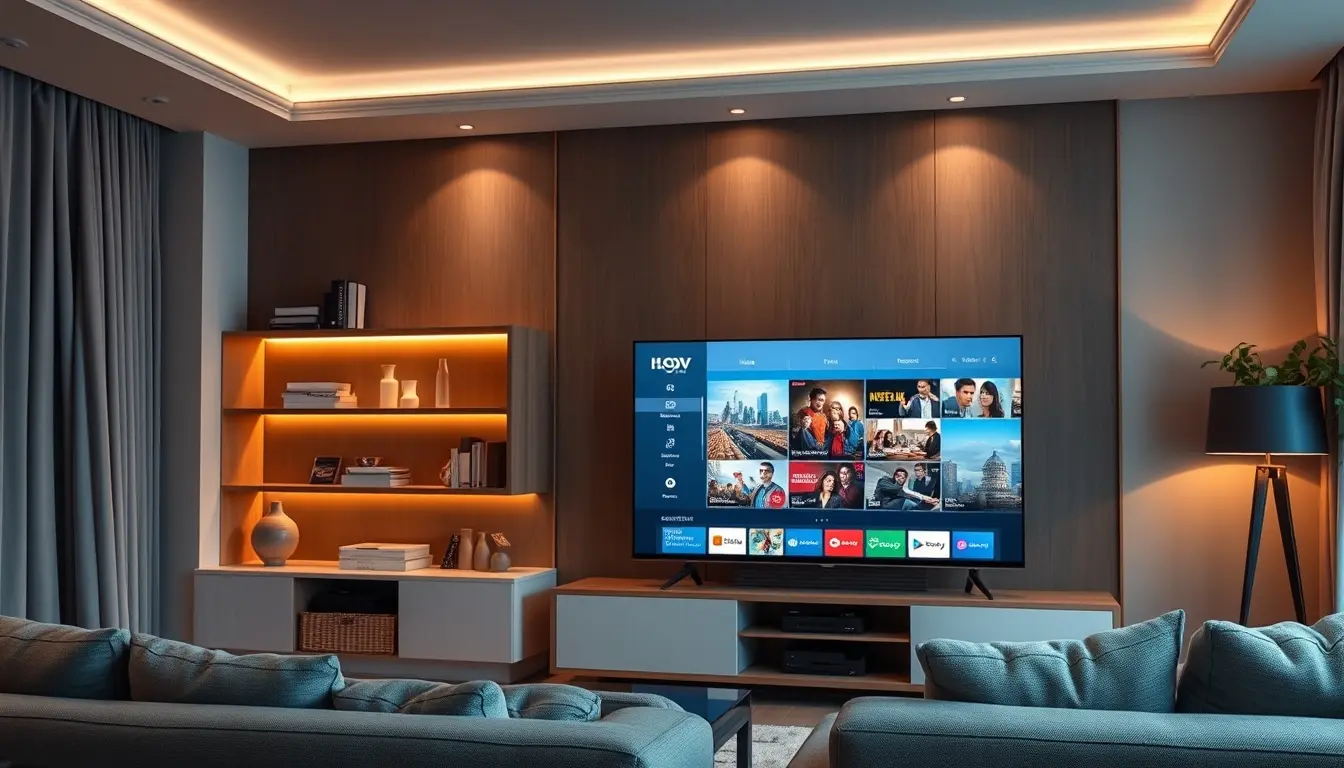
The Future of Integrated Entertainment
The trajectory of iptv for home automation system integration clearly points towards a future where entertainment and home control are indistinguishable. As smart home technology matures, IPTV providers are recognizing that their service can be far more than a passive content delivery system. By embracing open standards, developing robust APIs, and fostering compatibility with major smart home platforms, IPTV is poised to become an integral component of the connected living experience.
By 2027, we can expect even more intuitive interfaces, advanced voice control capabilities, and deeper automation possibilities. The focus will shift from simply watching television to orchestrating a complete home environment, all managed through unified, intelligent systems. Whether it’s setting the mood for a family movie night or receiving subtle notifications about your home’s status, the iptv for home automation system integration will offer unparalleled convenience and a more personalized living experience. As you plan your entertainment setup for the coming years, consider not just the content but also the connectivity. An IPTV service that prioritizes integration will be key to unlocking the full potential of your smart home.
Frequently Asked Questions
### What makes an IPTV service “good” for home automation?
An IPTV service is considered good for home automation if it offers robust APIs, supports open standards, is compatible with popular smart TV platforms and streaming devices, and ideally, integrates with voice assistants or smart home hubs.
### Can I control my lights and thermostat directly from my IPTV interface?
Direct control depends on the IPTV provider’s integration capabilities and your smart home hub. If the IPTV service has APIs that a smart home hub can access, and the hub controls your lights/thermostat, then yes, you can initiate these actions through routines or potentially a unified interface.
### Is specialized hardware required for IPTV for home automation system integration?
While you’ll need a compatible smart TV, streaming device, or computer to run the IPTV service and a smart home hub (like Google Home, Amazon Alexa, Home Assistant, or Hubitat), no specialized IPTV hardware is typically required beyond what you’d use for streaming. The integration is primarily software-based.
### How secure is integrating IPTV with my home automation system?
Security is paramount. Always choose reputable IPTV providers and smart home platforms that prioritize data encryption and regular security updates. Be cautious of services that require excessive permissions or seem to have weak security protocols. Use strong, unique passwords for all connected services.